Bringing Lives Forward: Patriots of the Concord Reformatory
Prison Cemetery Presentation
Everyone Has a Story: A Public Recognition Event
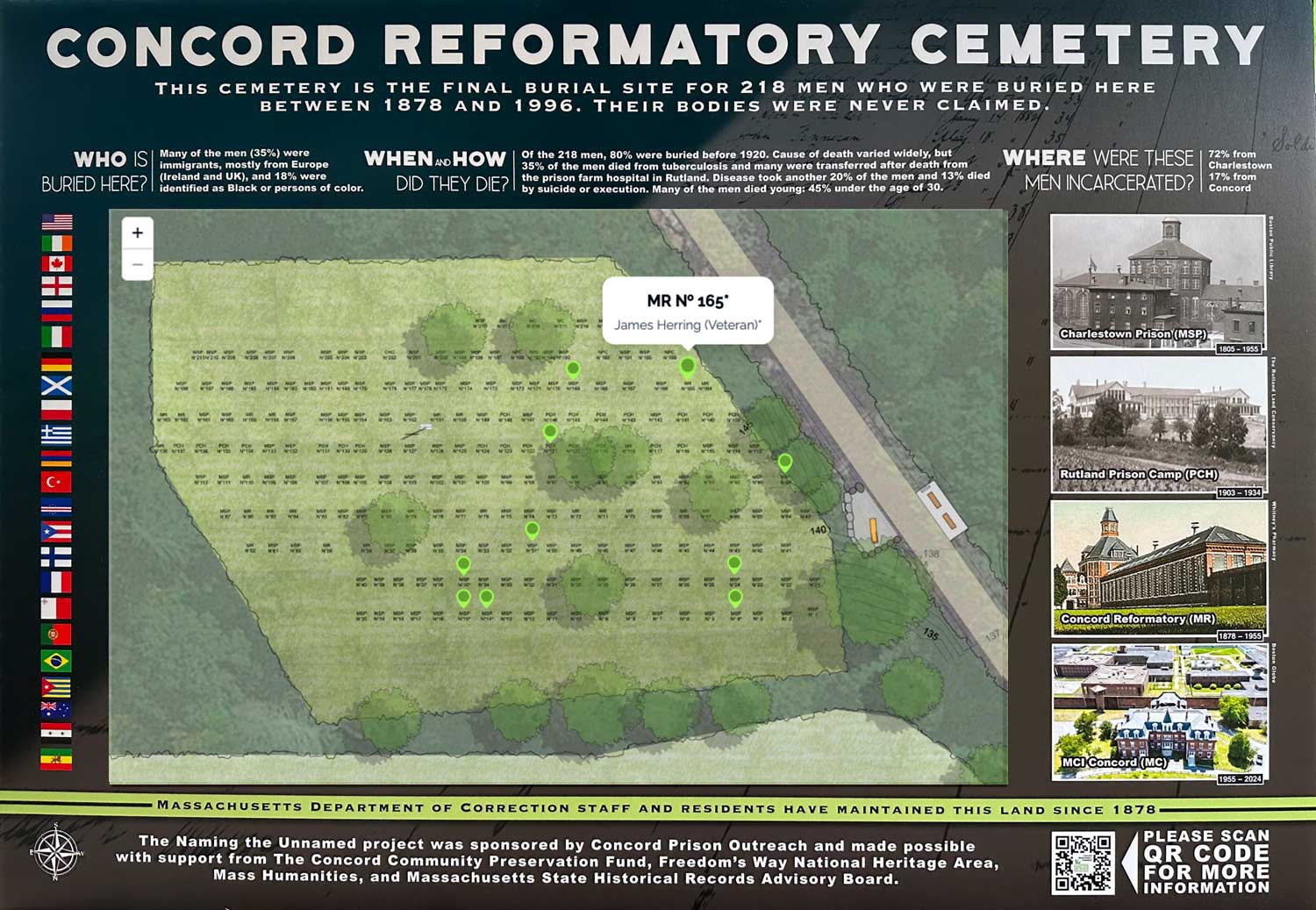
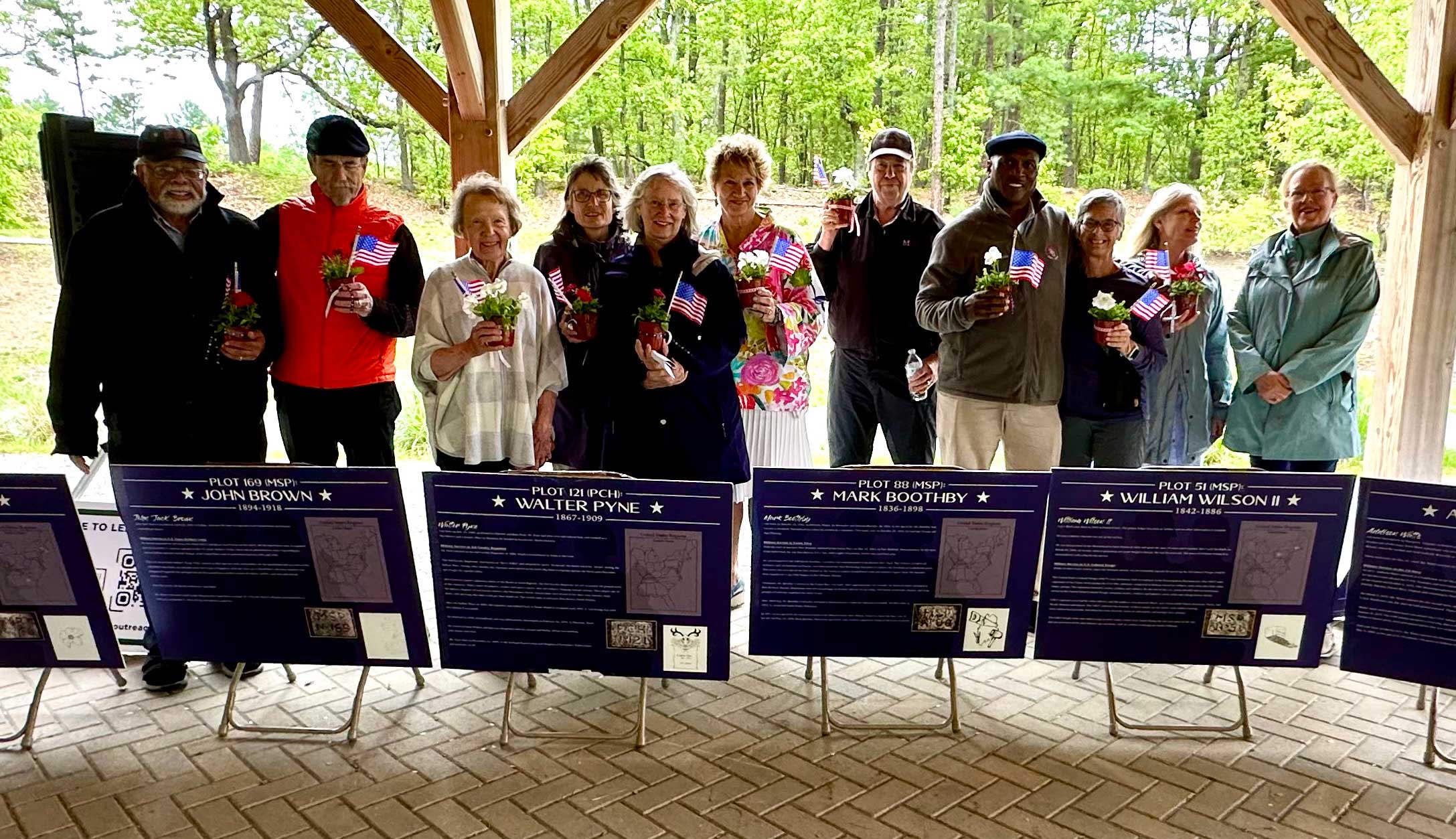
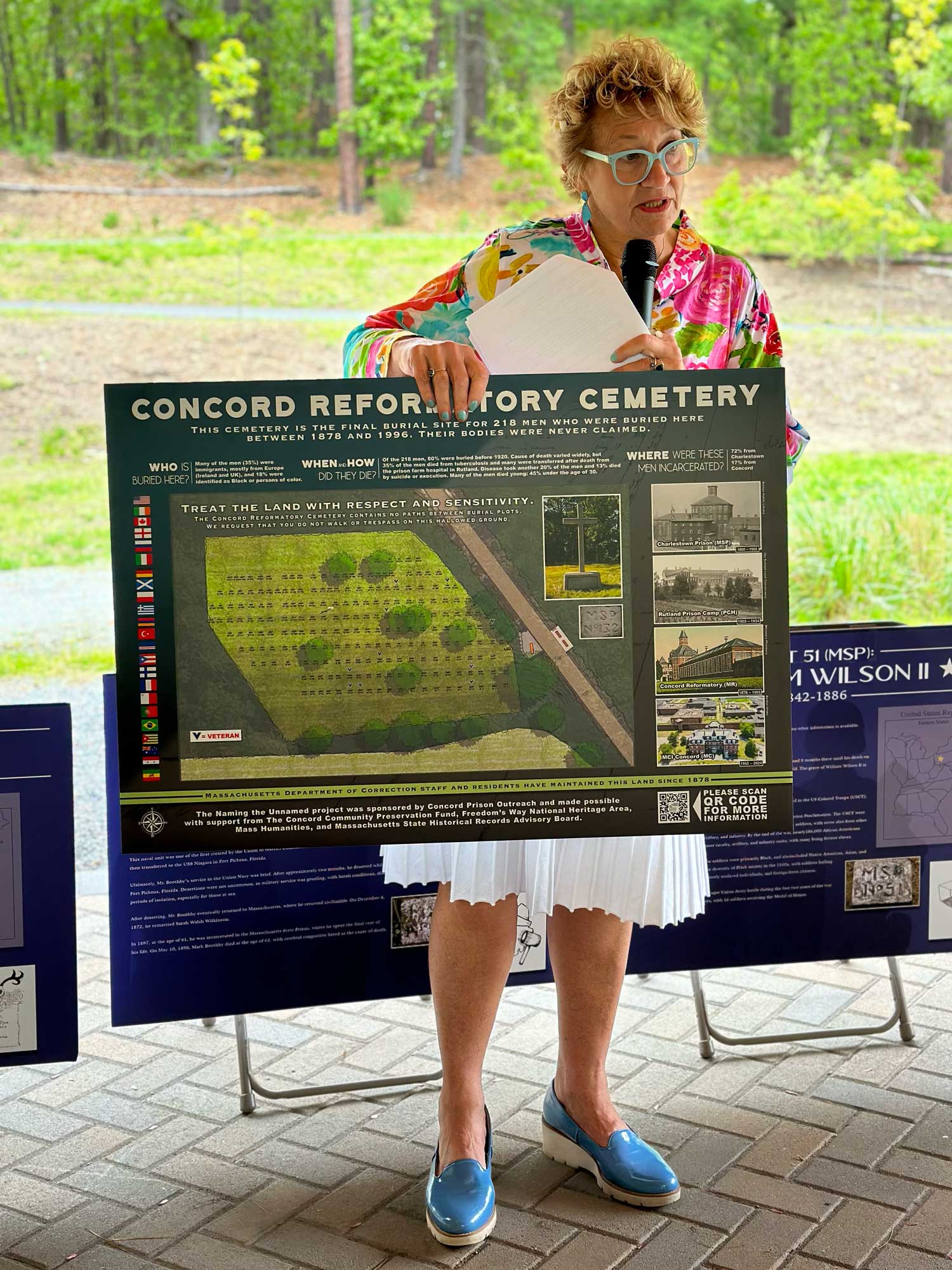
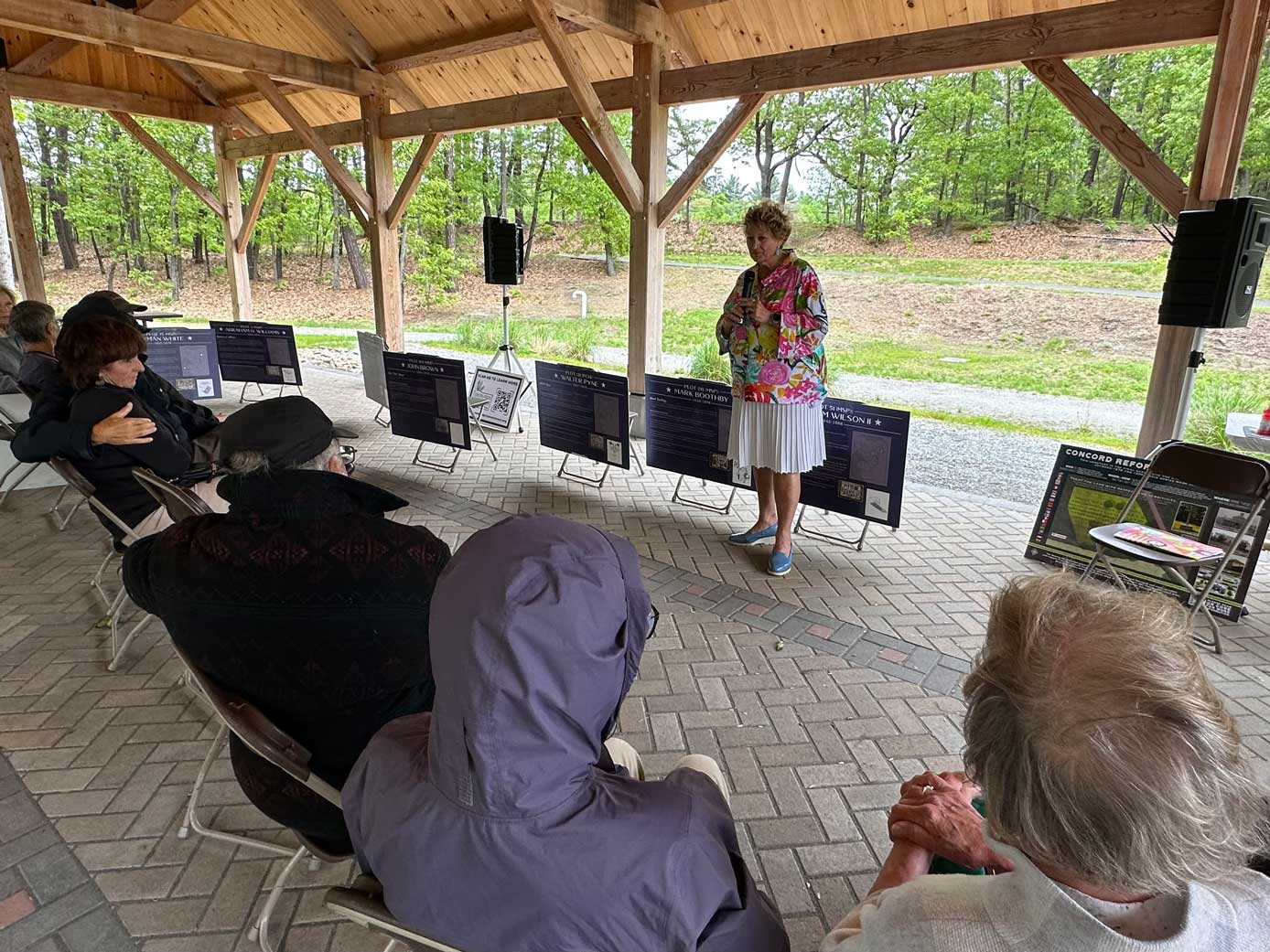
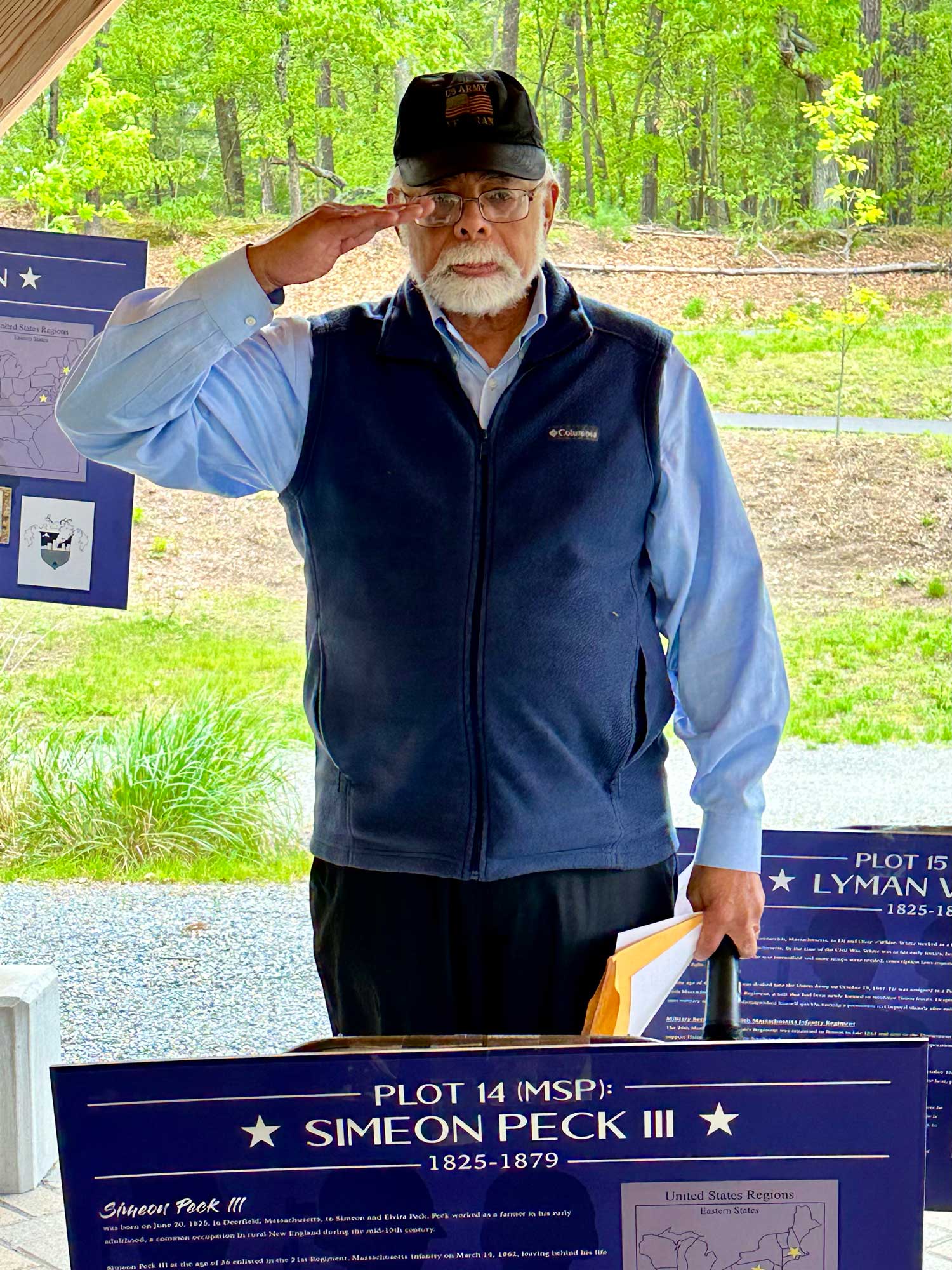
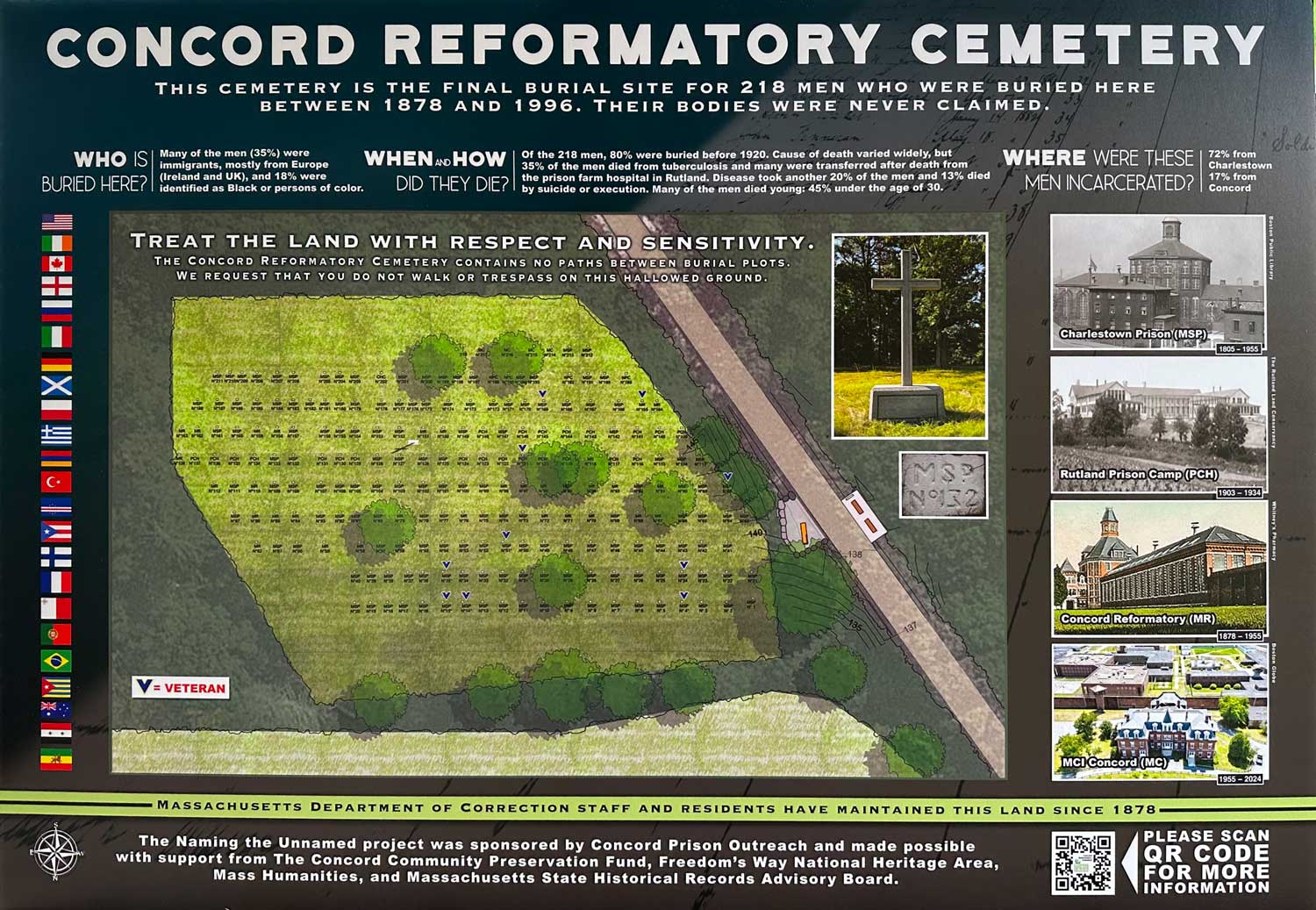
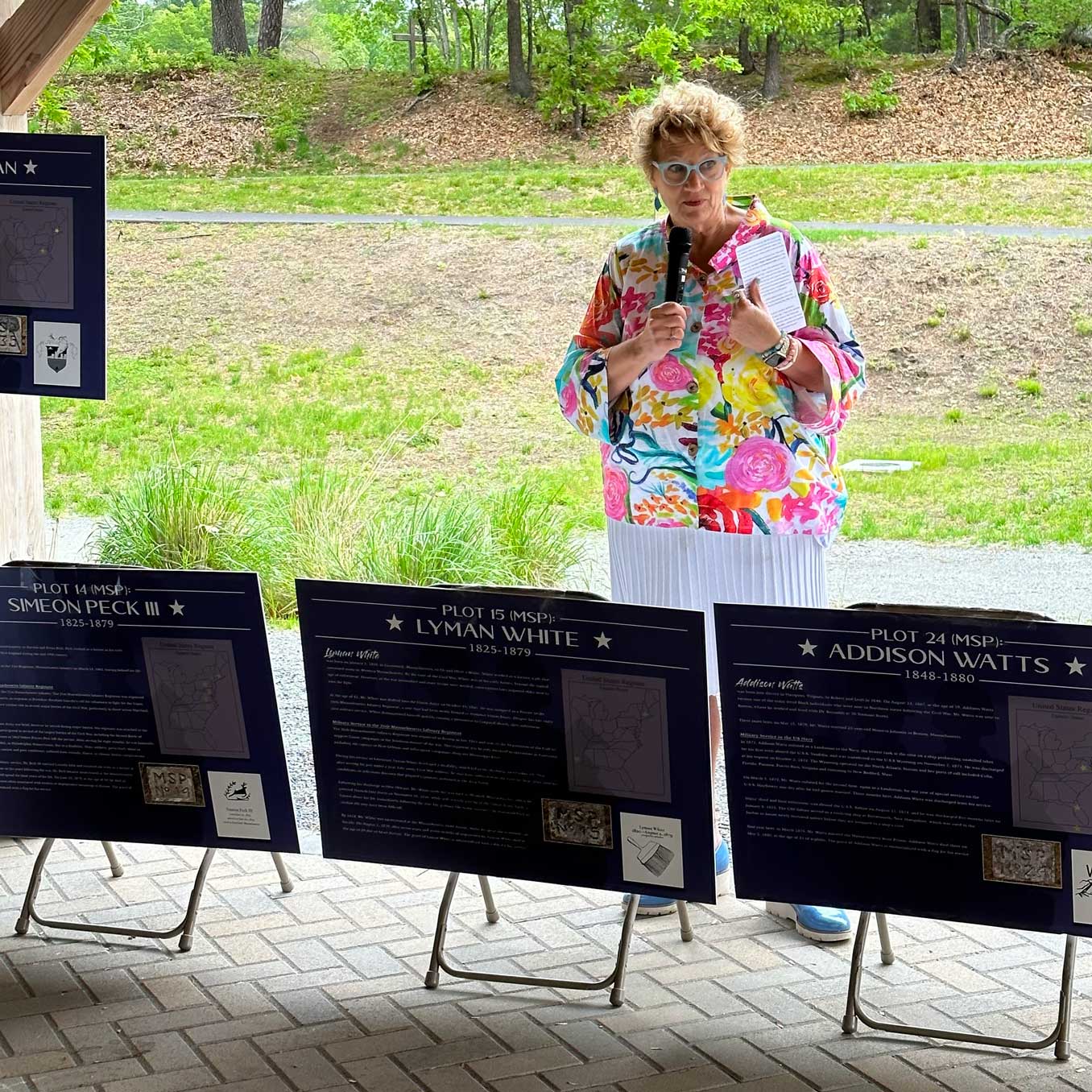
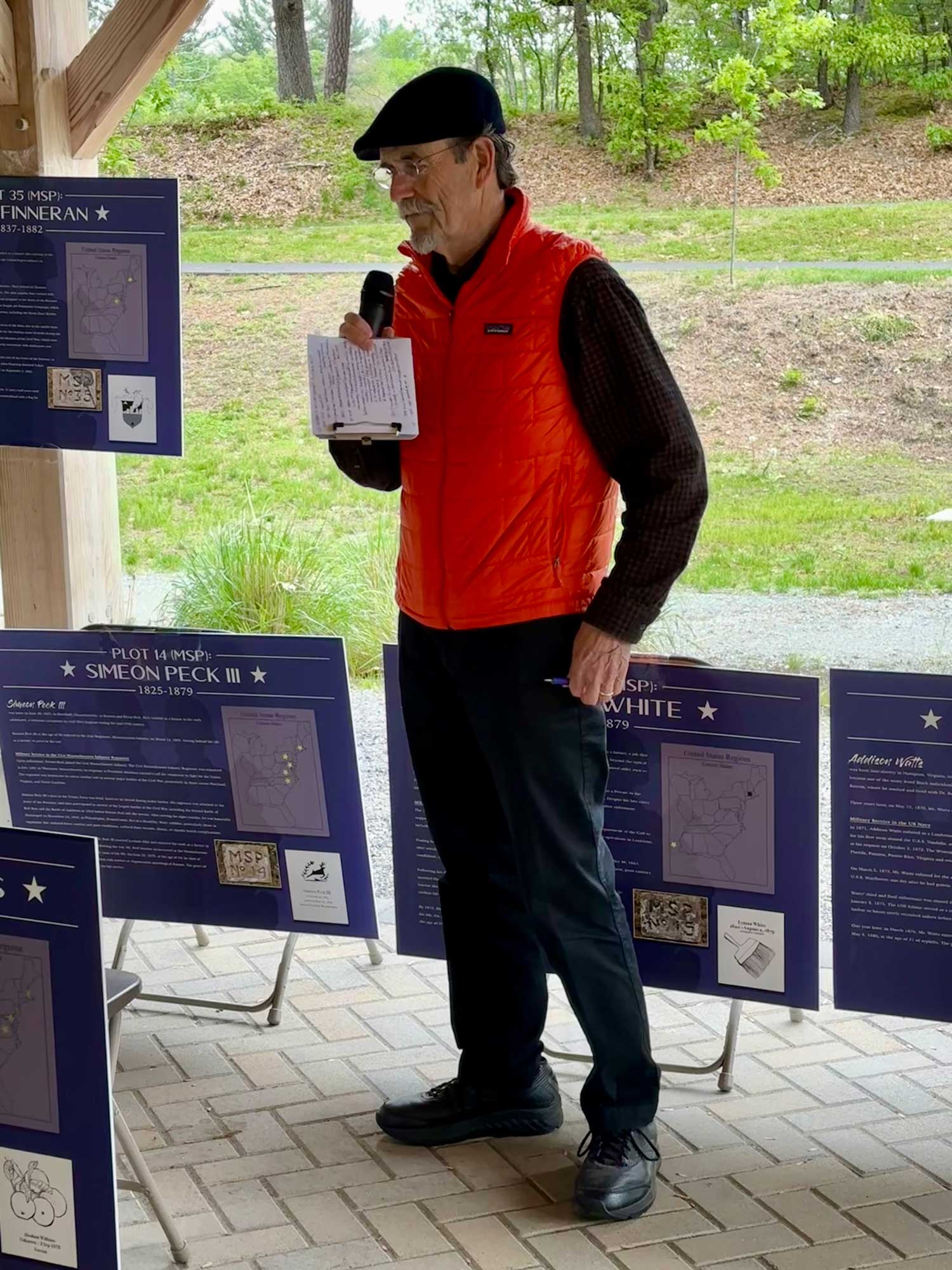
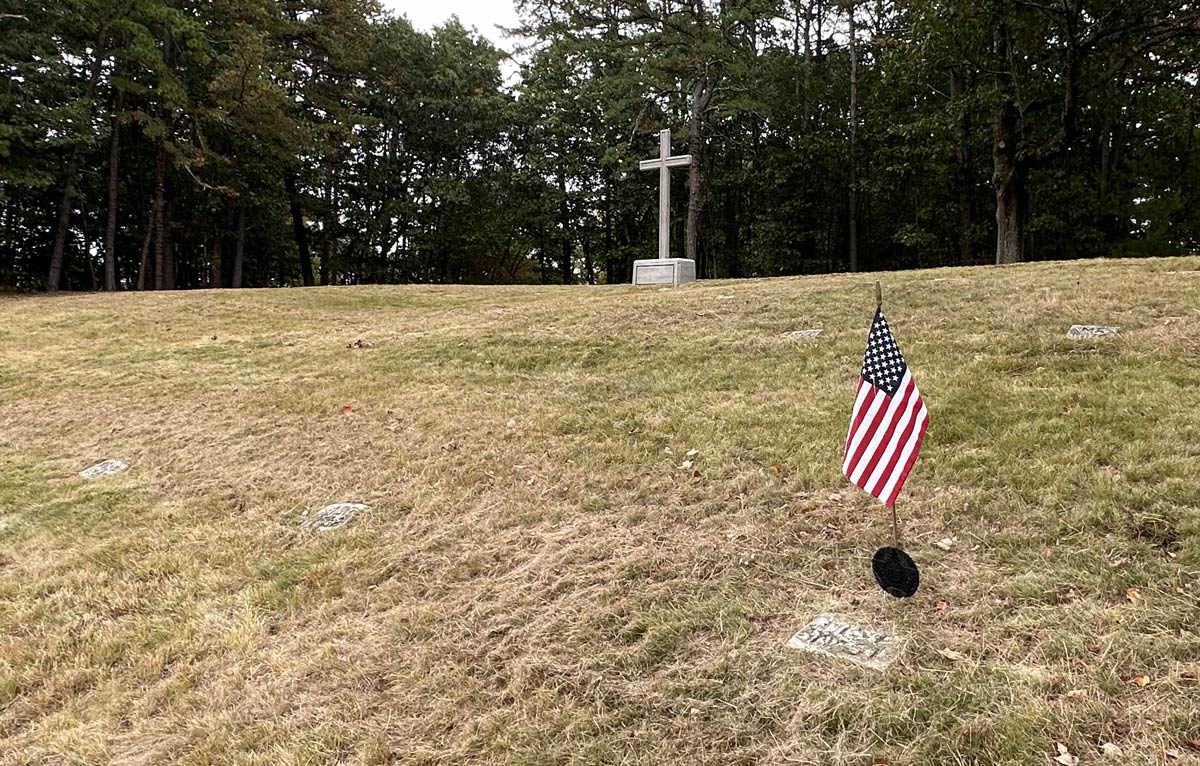
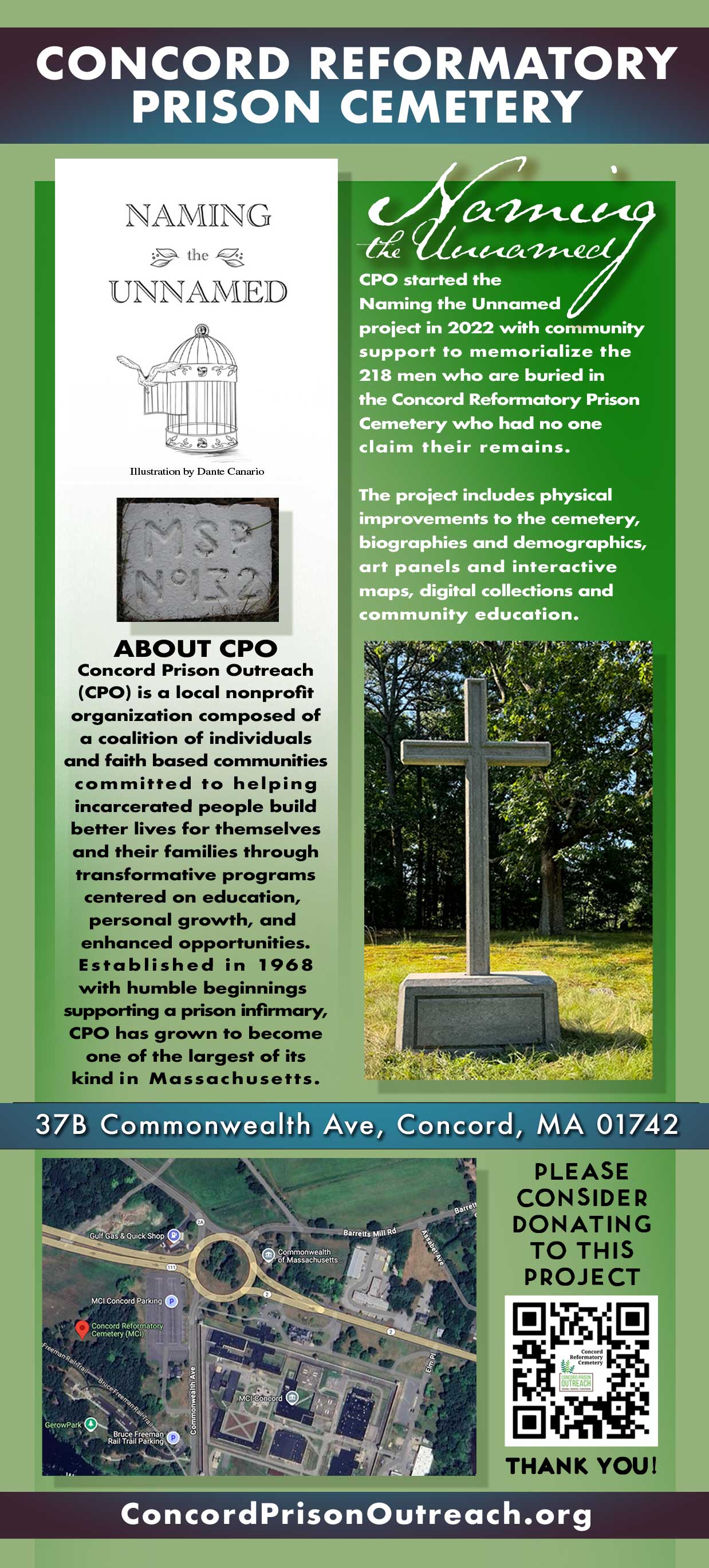
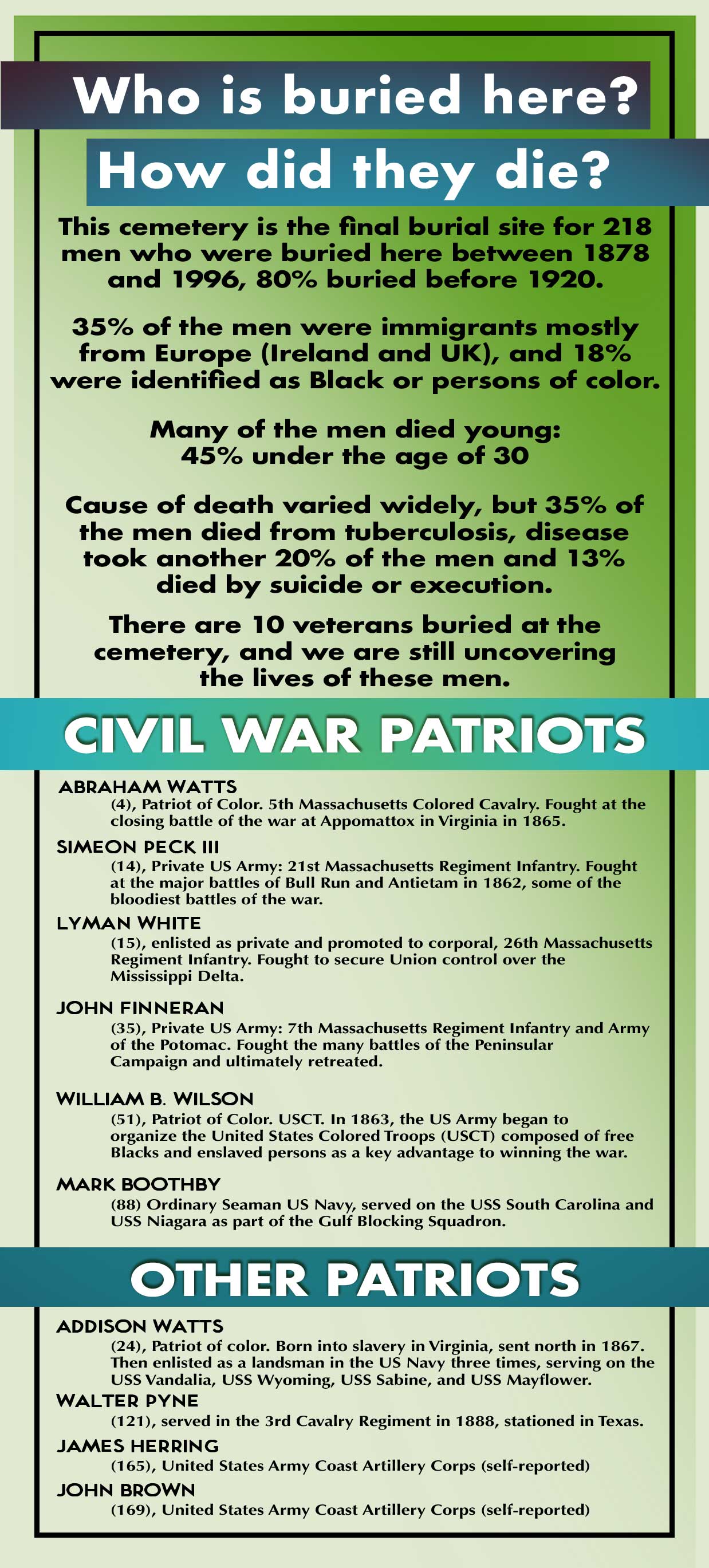
On May 18th, 2025, Concord Prison Outreach and members of the community gathered for a special ceremony called “Bringing Lives Forward: Patriots of the Concord Reformatory Prison Cermetery” to recognize the lives of veterans buried at the Concord Reformatory Prison Cemetery—men laid to rest between 1878 and 1996, whose bodies were never claimed by family, but whose stories deserve to be remembered.
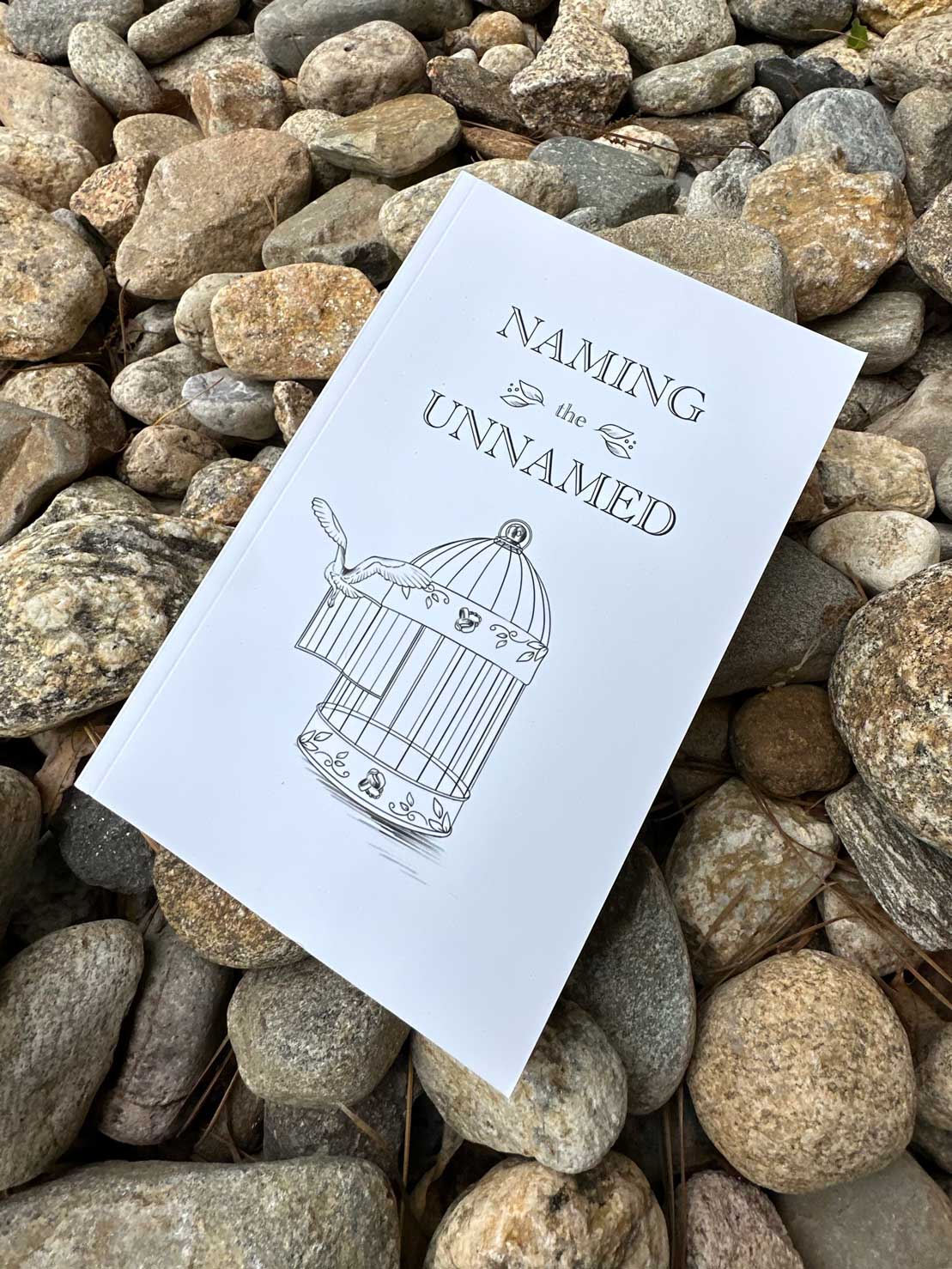
This public recognition event, as part of the Freedom’s Way – Hidden Treasures Festival of Nature, Culture & History, highlighted and acknowledged the untold stories of the Civil War and Military Veterans buried at the cemetery, honoring their service, experiences, and humanity. Explore the gallery of the day’s events below, view videos of the individual readings, and learn more about each of these patriotic men who served.



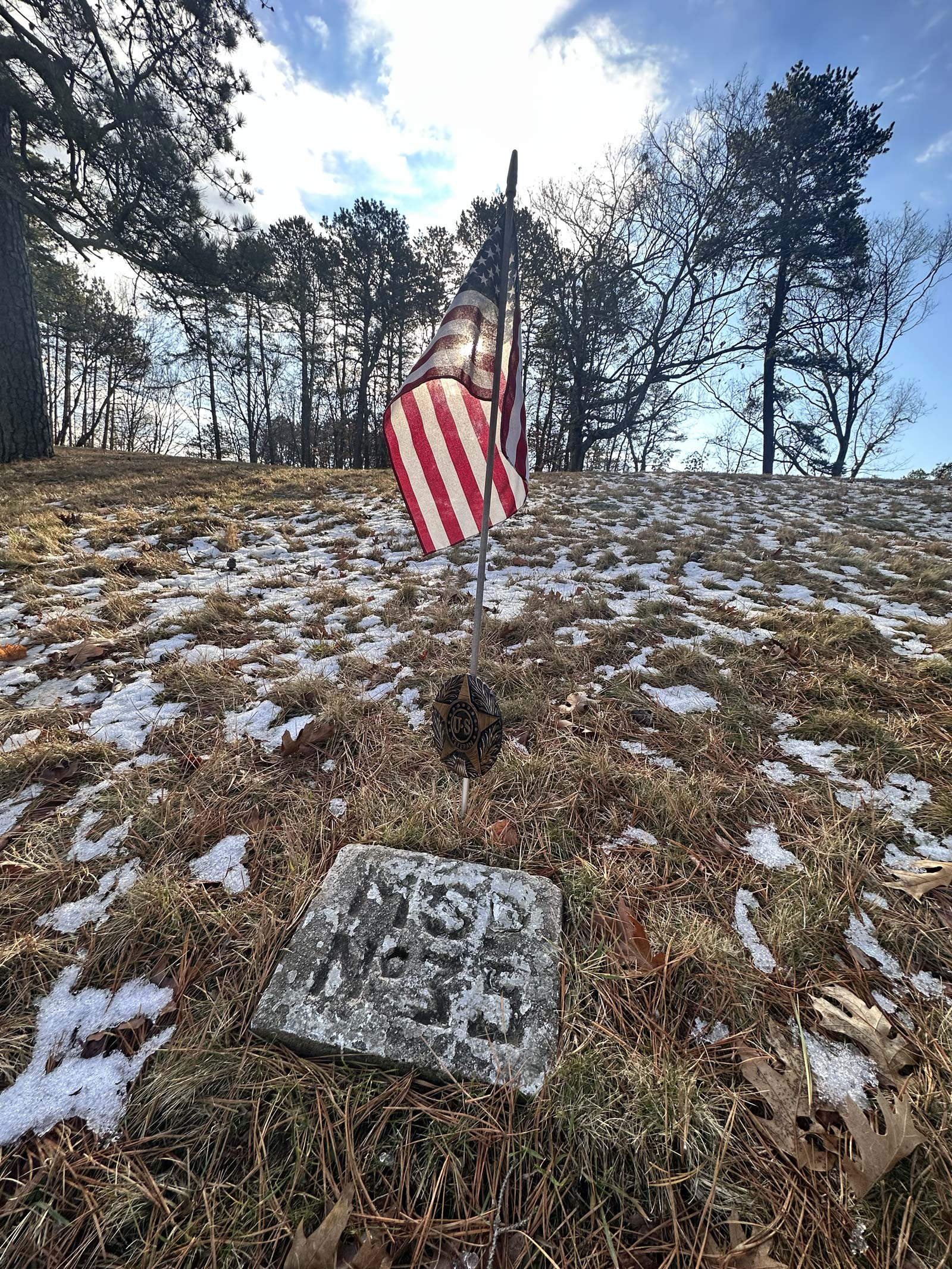
PLOT 4 (MSP) ☆ ABRAHAM H WILLIAMS • 1838 – 1878
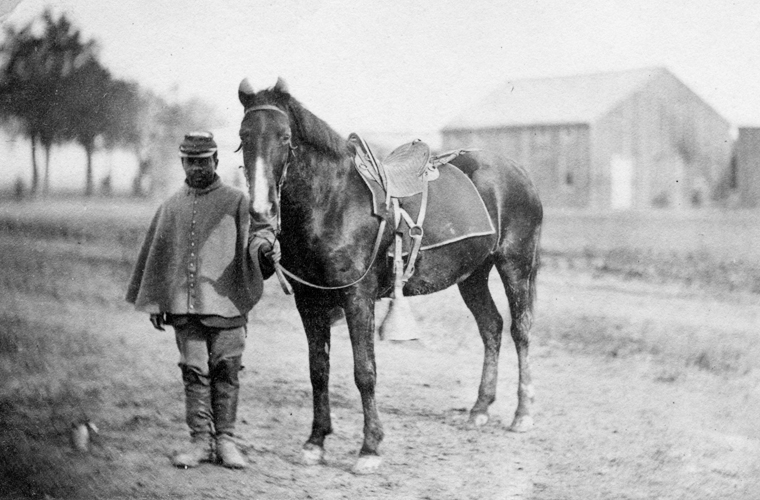
5th Regiment, Massachusetts Colored Volunteer Cavalry
Abraham H. Williams, also referred to as “Abram,” was a Black man born in 1838 to Peter and Nancy Williams in Lowell, Massachusetts.
In 1855, the Massachusetts State Census recorded 15-year-old Abraham Williams as a laborer in the Ipswich household of Humphrey Lakeman. By 1860, at the age of 21, Abraham Williams was living in Wenham and working as a shoemaker. Three years later, Reverend Daniel Fitz of Ipswich married 24-year-old Abraham H. Williams and 18-year-old Mary Haskell on January 4, 1863.
At the age of 26, Mr. Williams enlisted in the 5th Regiment Massachusetts Colored Volunteer Cavalry on February 22, 1864, from its initial formation, and took a brief leave from February 27 to 29 of that year. Nine months later, on December 6, 1864, a son named Francis Henry Williams was born to Abraham and Mary.
Private Williams was promoted to the rank of Sergeant in March 1864, but was subsequently reduced from his rank by the end of that year. Williams was reported to be at Point Lookout in Maryland, where the regiment was guarding a Confederate prison, on March 25, 1865, and detached service on the Brazos Railway in Texas on July 26, 1865, on the Rio Grande in Texas. Private Williams was honorably discharged from service on October 31, 1865, in Clarksville, Texas.
On February 12, 1870, Mr. Williams was incarcerated in the Massachusetts State Prison, where he died on September 3, 1878, at approximately 40 years old.
Military Service in the 5th Regiment, Massachusetts Colored Volunteer Cavalry
The 5th Regiment Massachusetts Colored Volunteer Cavalry was a Union Army cavalry regiment during the Civil War. The regiment was organized in early 1864, at Camp Meigs, Readville, near Boston. From May 12, 1864, it served dismounted and equipped as infantry until the end of the war, 1865.
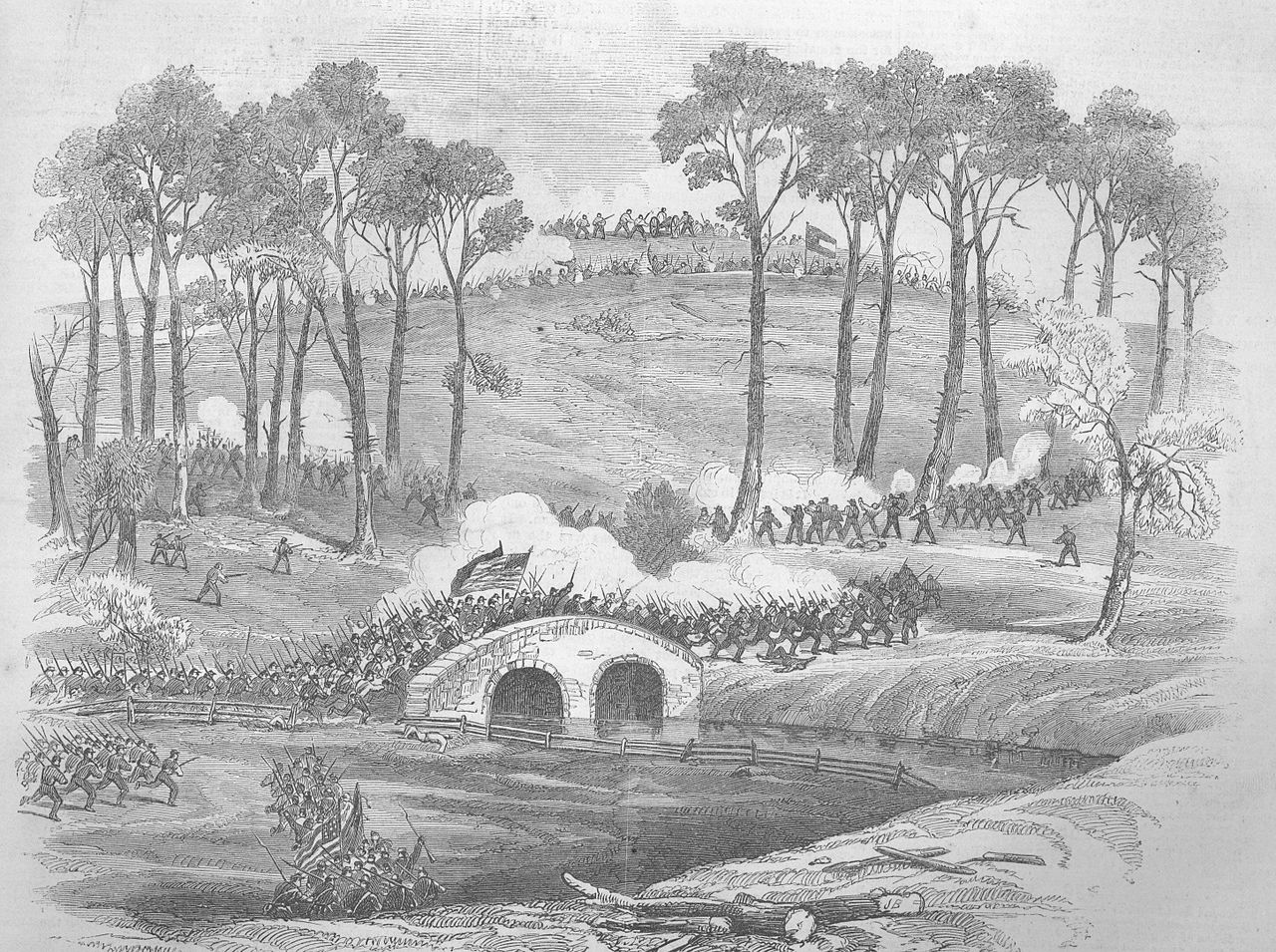
On June 14, 1864, the regiment took part in its first military action as part of the assault on Confederate positions around Petersburg, Virginia, during the Siege of Petersburg. They also engaged Confederate forces at Baylor’s Farm, a skirmish that preceded the Second Battle of Petersburg. At the end of June 1864, the regiment was ordered to Point Lookout, Maryland, to guard a Confederate prison. The 5th Cavalry also participated in the closing Civil War campaigns in 1865 that resulted in the surrender of Confederate General Robert E. Lee to Union commander Ulysses Grant at Appomattox.
After the Civil War ended, they went to the Rio Grande in Texas as a show of U.S. military strength against French forces then in control of Mexico. The regiment disbanded two months later, on October 31, 1865, in Clarksville, Texas, and all mustered out, including Abraham H. Williams. In total, the 5th Massachusetts regiment suffered 123 casualties, with most of the deaths as a result of disease.
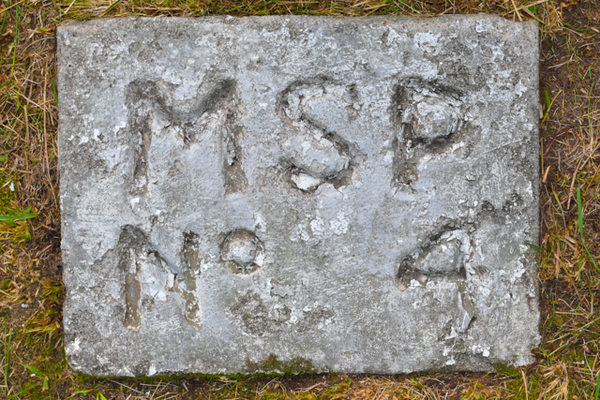

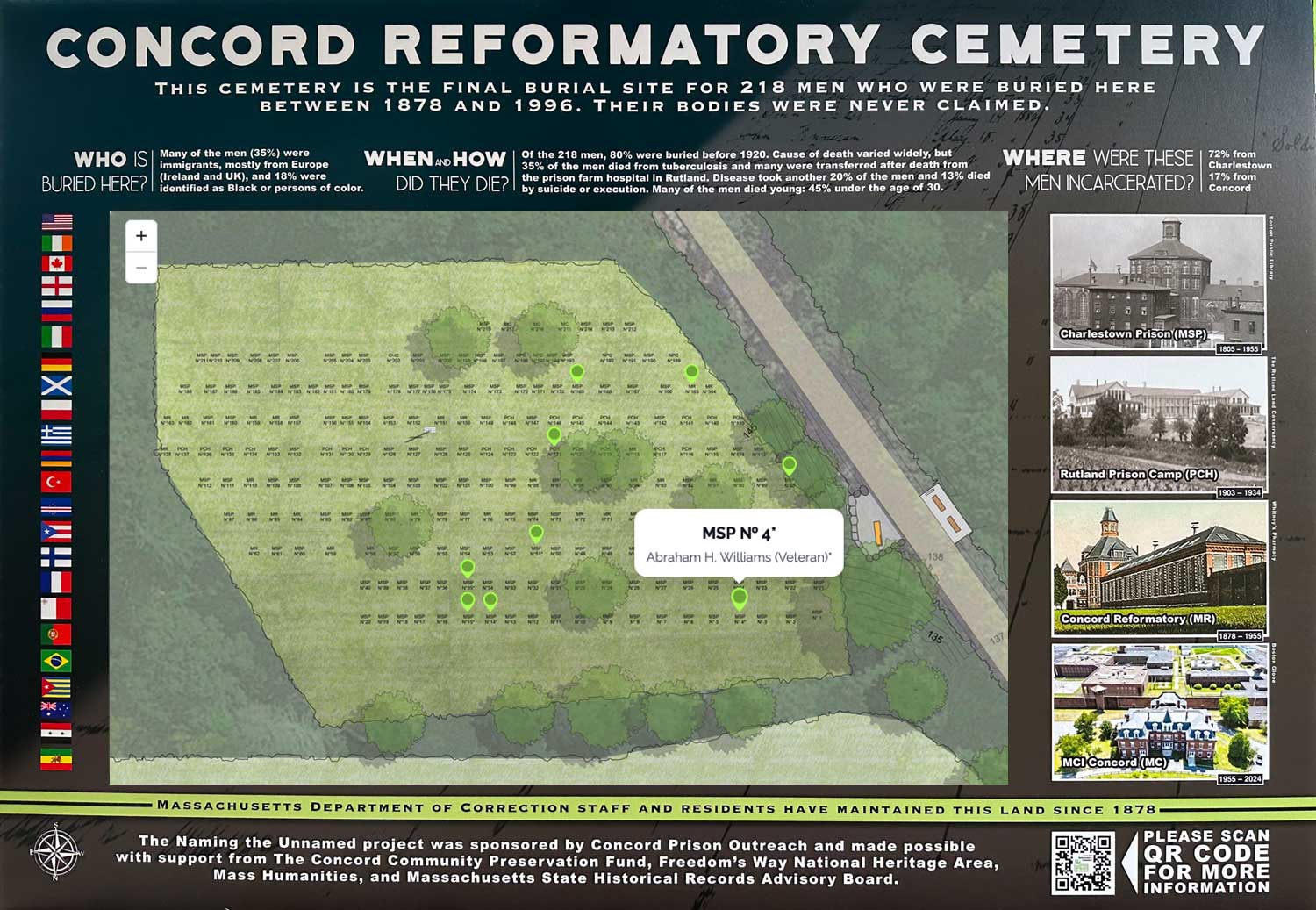
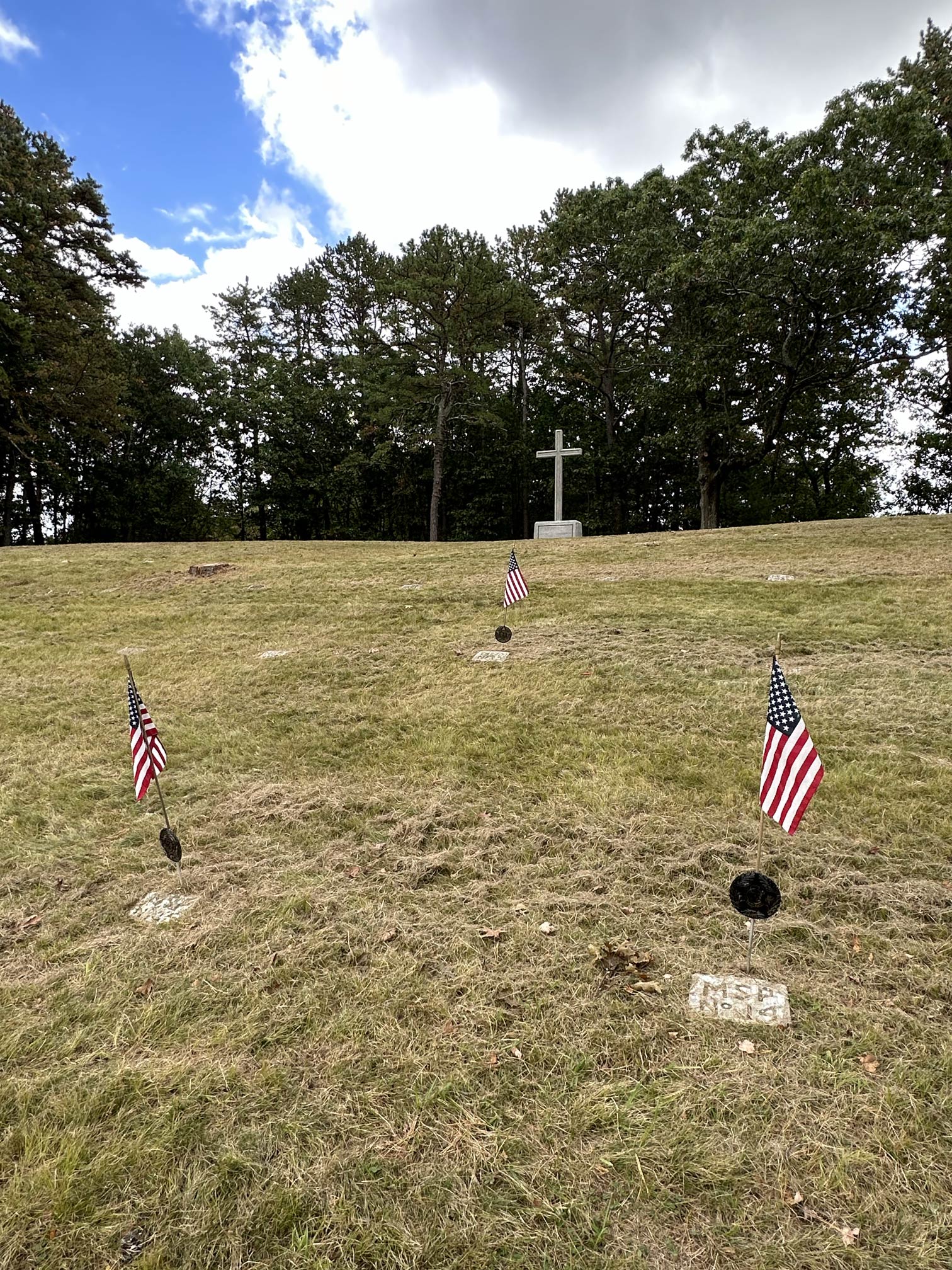
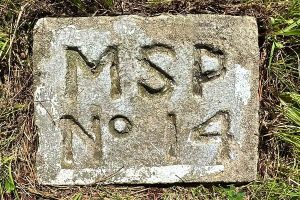
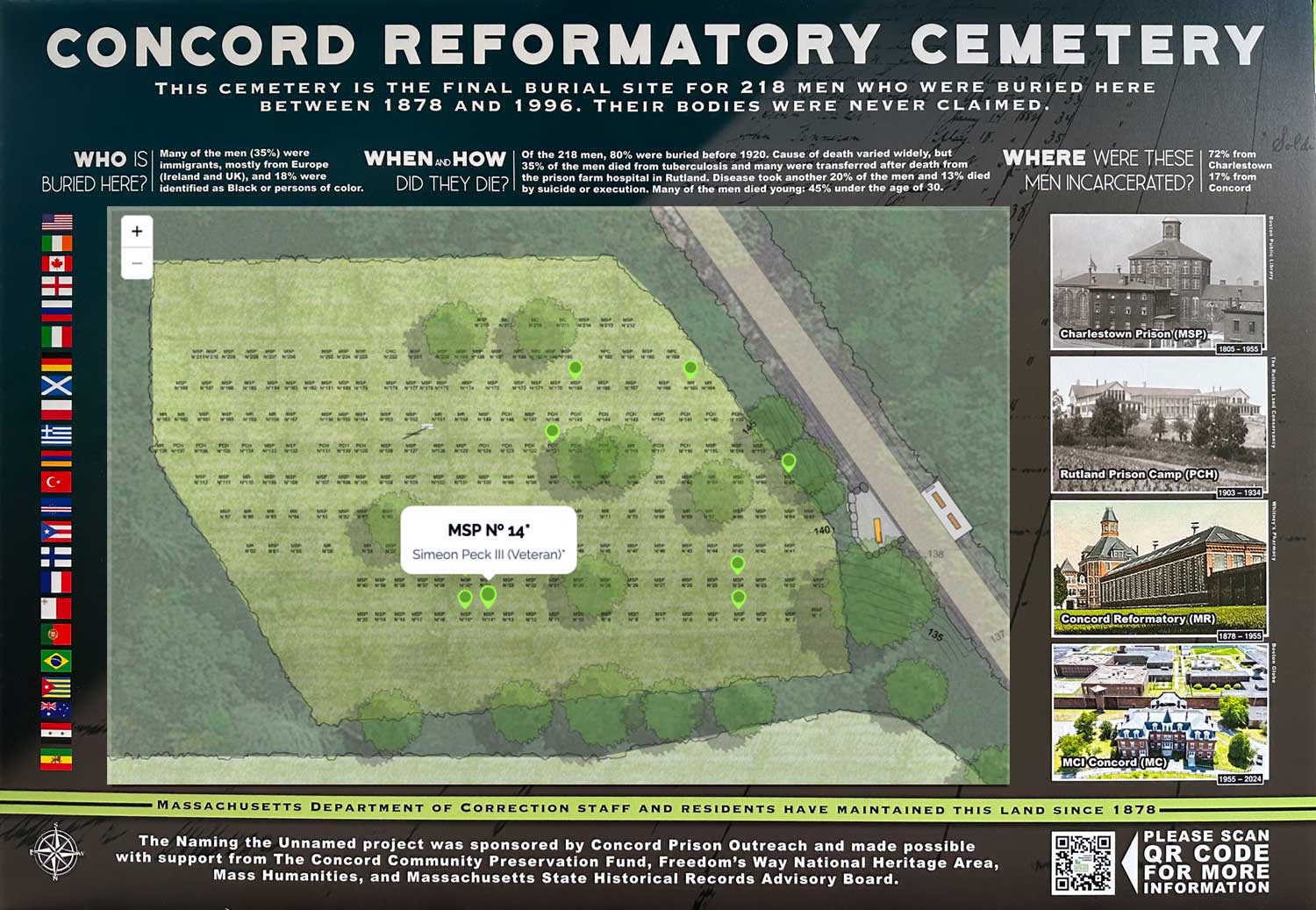
PLOT 14 (MSP) ☆ SIMEON PECK III • 1825 – 1879
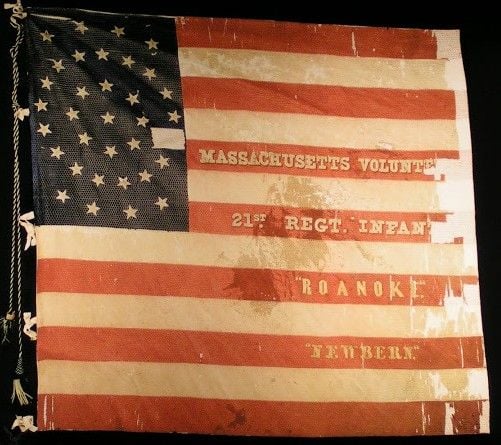
21st Massachusetts Infantry Regiment
Simeon Peck III was born on June 20, 1825, in Deerfield, MA, to Simeon and Elvira Peck. Peck worked as a farmer in his early adulthood, a common occupation in rural New England during the mid-19th century.
Simeon Peck III, at the age of 36, enlisted in the 21st Regiment, Massachusetts Infantry on March 14, 1862, leaving behind his life as a farmer to serve in the war.
Military Service in the 21st Massachusetts Infantry Regiment
Upon enlistment, Private Peck joined the 21st Massachusetts Infantry. The 21st Massachusetts Infantry Regiment was organized in July 1861 in Worcester, Massachusetts, in response to President Abraham Lincoln’s call for volunteers to fight for the Union. The regiment was known for its active combat role in several major battles of the Civil War, particularly in those across Maryland, Virginia, and North Carolina. The unit remained active until the later stages of the war and was finally mustered out on August 30, 1865.
Simeon Peck III’s time in the Union Army was brief; however, he served during major battles. Peck’s regiment was attached to the Army of the Potomac, and they participated in several of the largest battles of the Civil War, including the Second Battle of Bull Run and the Battle of Antietam in 1862, before Private Peck left the service.
After serving for eight months, he was honorably discharged on November 24, 1862, in Philadelphia, Pennsylvania, due to a disability. Many soldiers, particularly those in regiments who endured heavy combat and poor conditions, suffered from wounds, illness, or chronic health complications.
Following his return from military service, Mr. Peck III married Lucinda Allis and resumed his work as a farmer in Massachusetts. At some point in the years following the war, Mr. Peck became incarcerated at the Massachusetts State Prison, where he would spend the final years of his life.
On June 22, 1879, at the age of 54, he died of cerebral softening, a condition often associated with strokes or degenerative neurological disease.

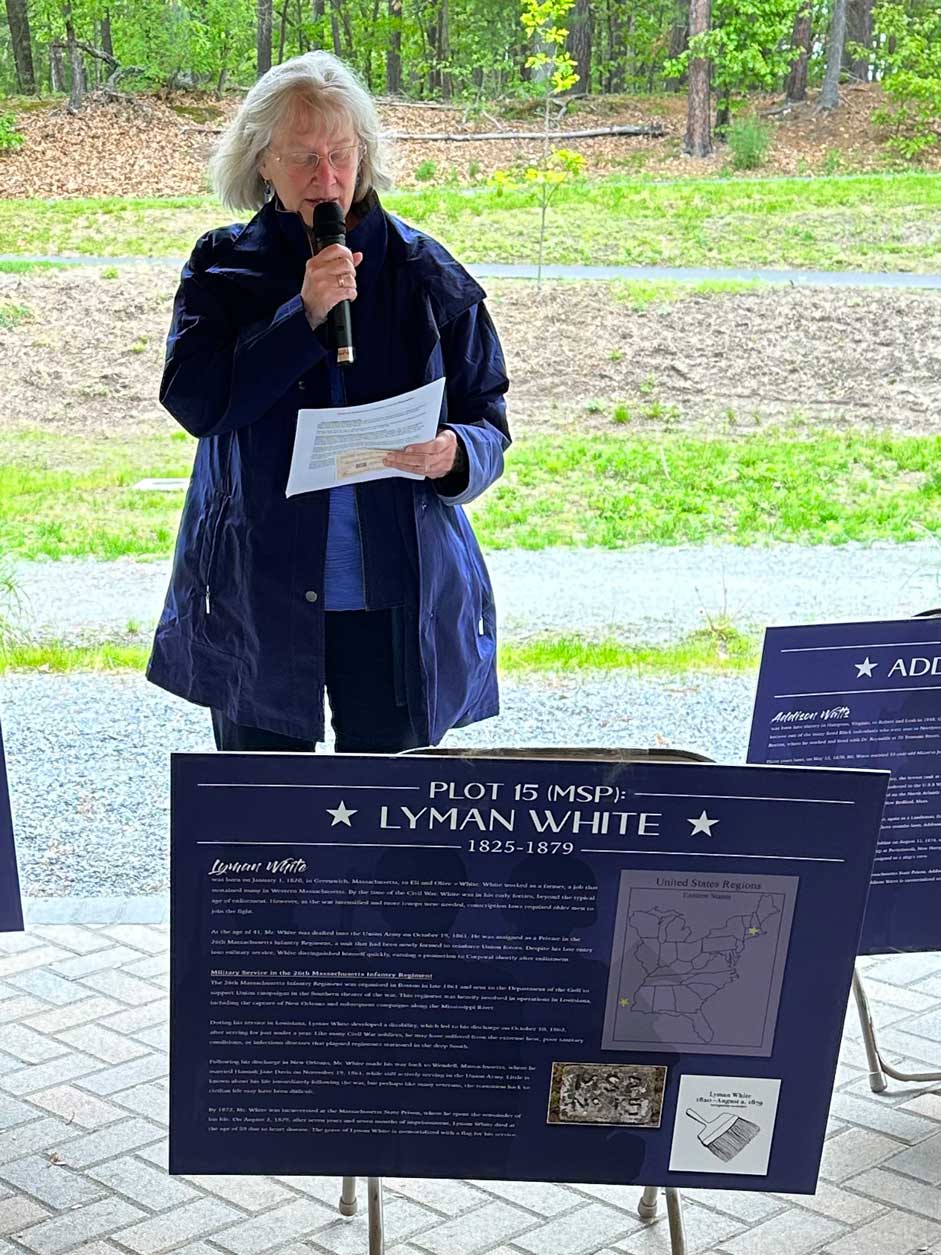
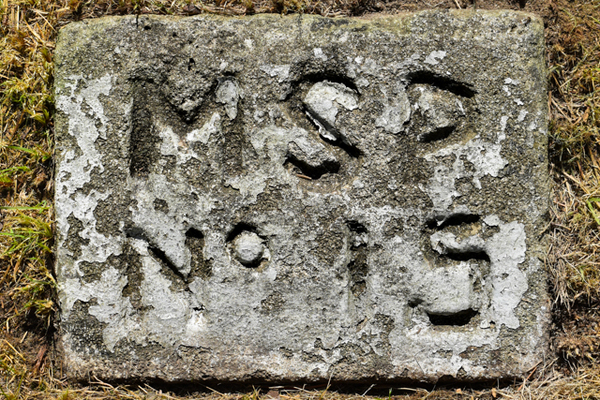
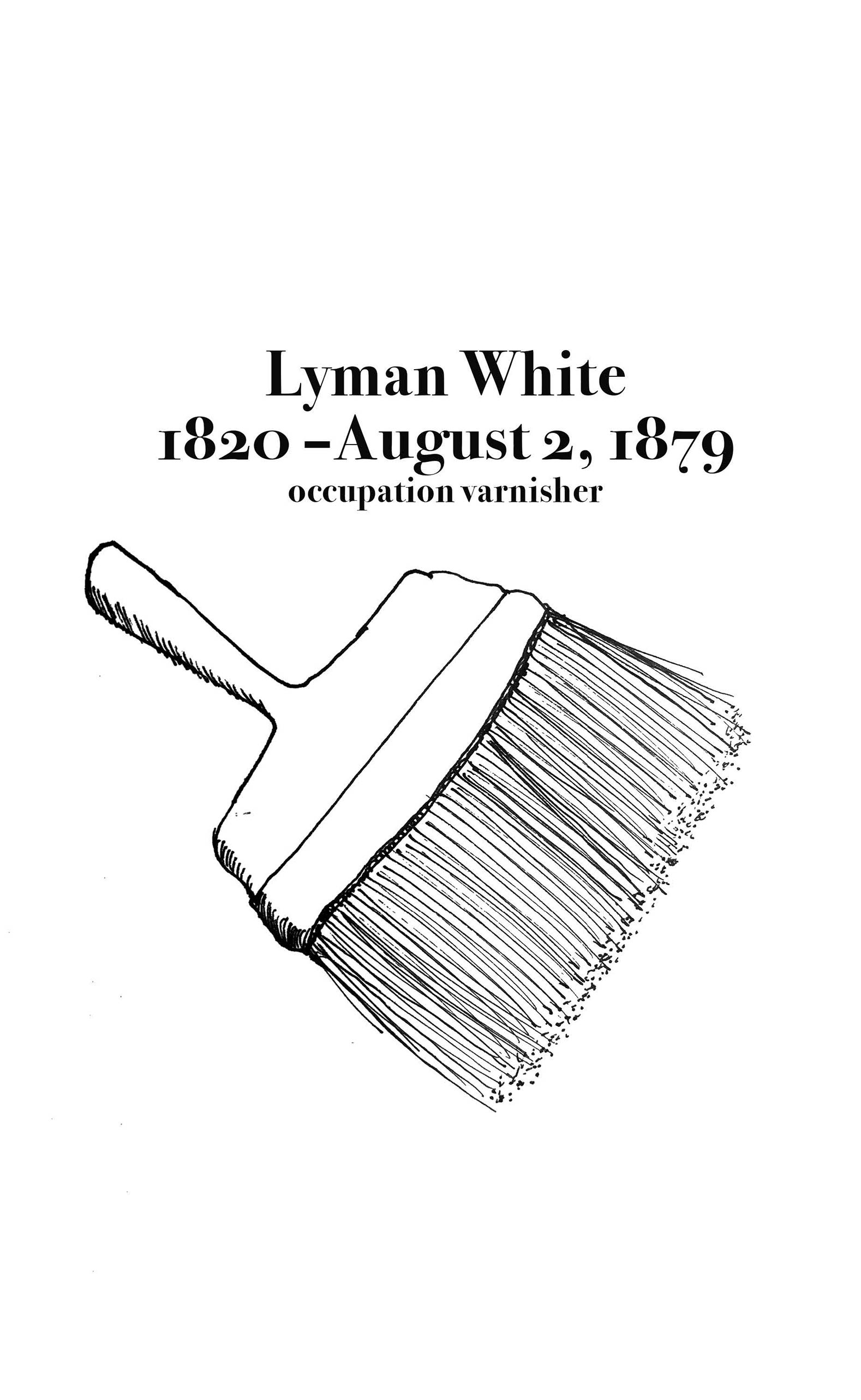
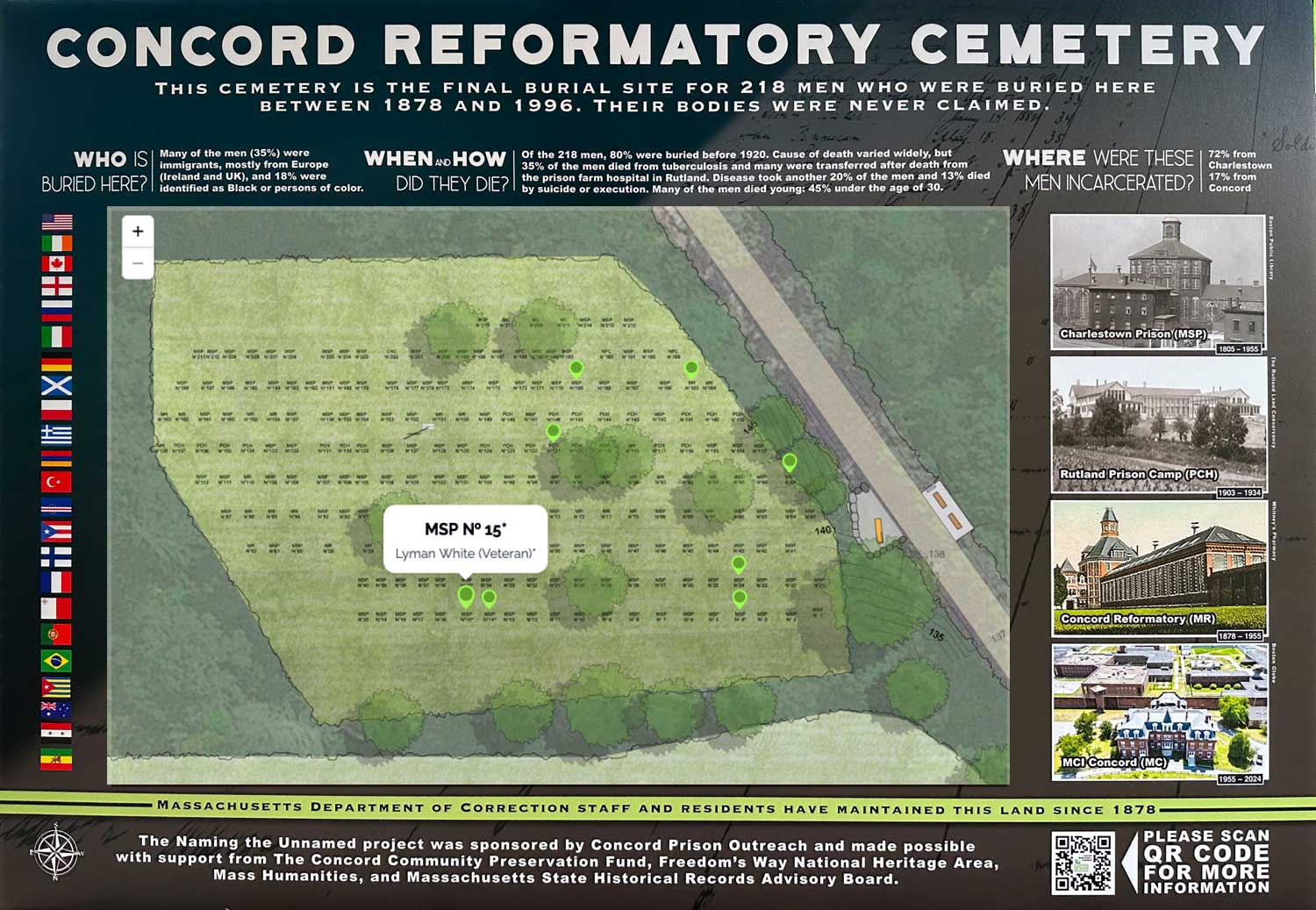
PLOT 15 (MSP) ☆ LYMAN WHITE • 1825-1879
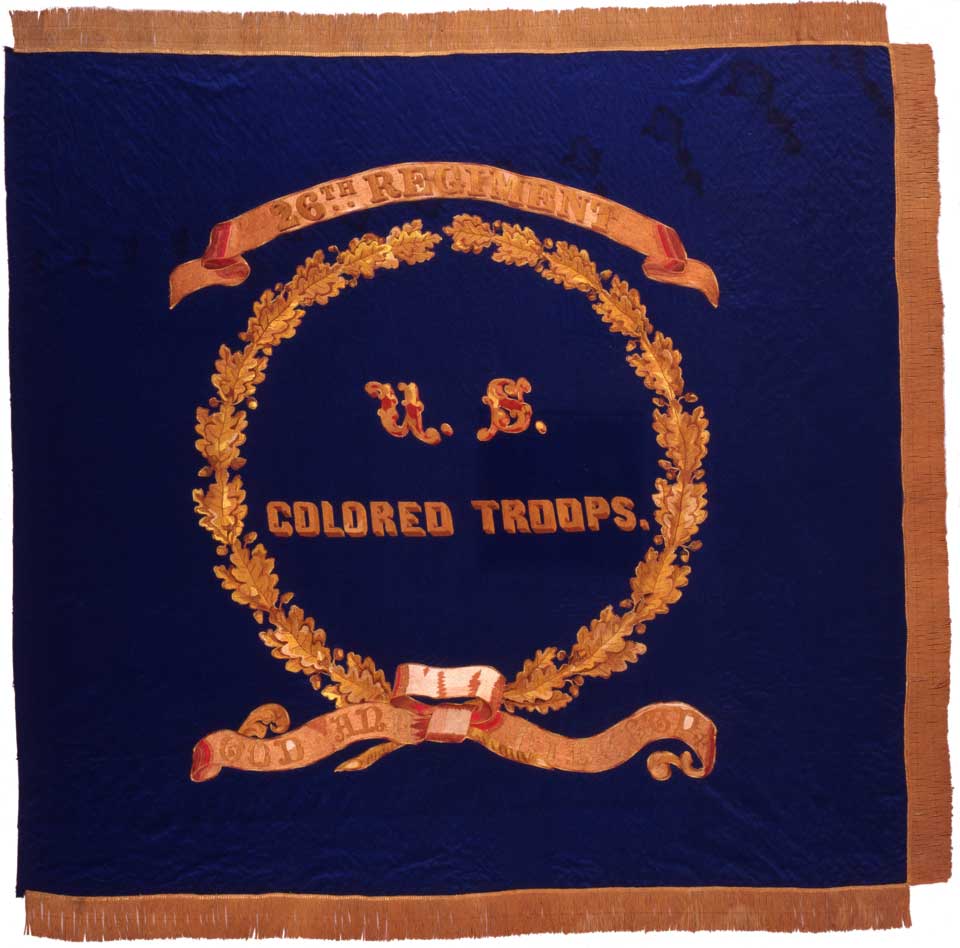
26th Massachusetts Infantry Regiment
Lyman White was born on January 1, 1820, in Greenwich, Massachusetts, to Eli and Olive White. White worked as a farmer, a job that sustained many in Western Massachusetts. By the time of the Civil War, White was in his early forties, beyond the typical age of enlistment. However, as the war intensified and more troops were needed, conscription laws required older men to join the fight.
At the age of 41, Mr. White was drafted into the Union Army on October 19, 1861. He was assigned as a Private in the 26th Massachusetts Infantry Regiment, a unit that had been newly formed to reinforce Union forces. Despite his late entry into military service, White distinguished himself quickly, earning a promotion to Corporal shortly after enlistment.
Military Service in the 26th Massachusetts Infantry Regiment
The 26th Massachusetts Infantry Regiment was organized in Boston in late 1861 and sent to the Department of the Gulf to support Union campaigns in the Southern theater of the war. This regiment was heavily involved in operations in Louisiana, including the capture of New Orleans and subsequent campaigns along the Mississippi River.
During his service in Louisiana, Lyman White developed a disability, which led to his discharge on October 10, 1862, after serving for just under a year. Like many Civil War soldiers, he may have suffered from the extreme heat, poor sanitary conditions, or infectious diseases that plagued regiments stationed in the deep South.
Following his discharge in New Orleans, Mr. White made his way back to Wendell, Massachusetts, where he married Hannah Jane Davis on November 19, 1861, while still actively serving in the Union Army. Little is known about his life immediately following the war, but perhaps, like many veterans, the transition back to civilian life may have been difficult.
By 1872, Mr. White was incarcerated at the Massachusetts State Prison, where he spent the remainder of his life.
On August 2, 1879, after seven years and seven months of imprisonment, Lyman White died at the age of 59 due to heart disease.
PLOT 24 (MSP) ☆ ADDISON WATTS • 1848-1880
United States Navy
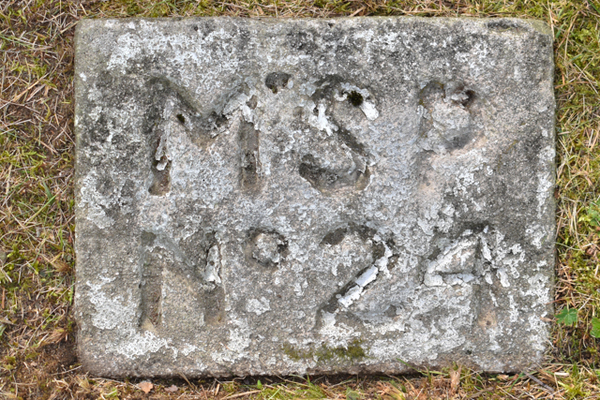
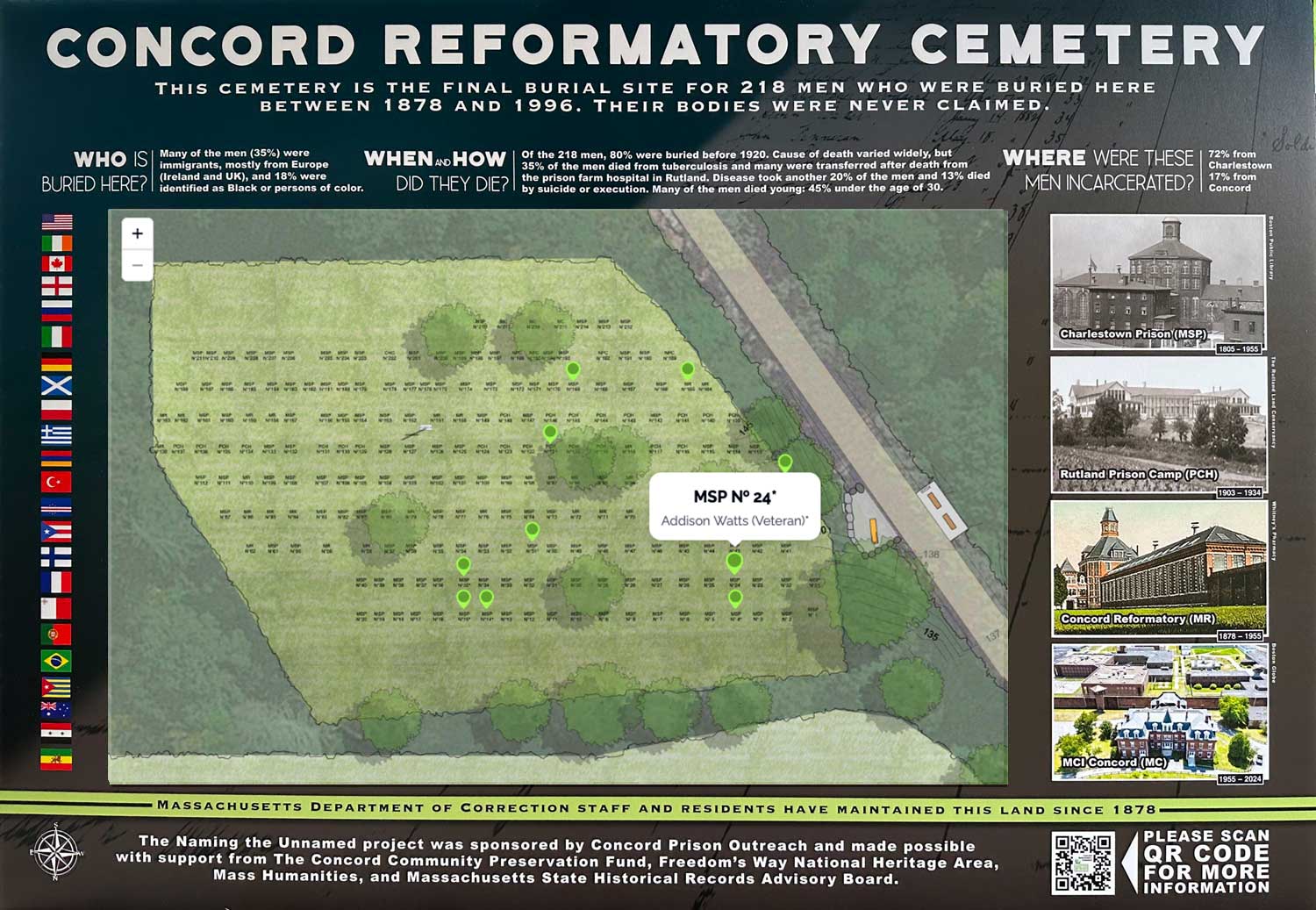
Addison Watts was born into slavery in Hampton, Virginia, to Robert and Leah. On August 13, 1867, at the age of 19, Addison Watts became one of the many freed Black individuals who were sent to Northern states following the Civil War. Mr. Watts was sent to Boston, where he worked and lived with Dr. Reynolds at 70 Tremont Street. Three years later, on May 15, 1870, Mr. Watts married 22-year-old Minerva Johnson in Boston, Massachusetts.
Military Service in the US Navy
In 1871, Addison Watts enlisted as a Landsman in the Navy, the lowest rank at the time, on a ship performing unskilled labor, for his first term aboard the U.S.S. Vandalia, and was transferred to the U.S.S. Wyoming on November 7, 1871.
He was discharged at his request on October 2, 1872. The Wyoming operated on the North Atlantic Station, and her ports of call included Cuba, Florida, Panama, Puerto Rico, Virginia, and returning to New Bedford, Mass.
On March 5, 1873, Mr. Watts enlisted for the second time, again as a Landsman, for one year of special service on the U.S.S. Mayflower, one day after he had gotten married. Three months later, Addison Watts was discharged from his service.
Watts’ third and final enlistment was aboard the U.S.S. Sabine on August 11, 1874, and he was discharged five months later on January 8, 1875. The USS Sabine served as a receiving ship at Portsmouth, New Hampshire, which was used in the harbour to house newly recruited sailors before they were assigned to a ship’s crew.
One year later, in March 1876, Mr. Watts entered the Massachusetts State Prison. Addison Watts died there on May 5, 1880, at the age of 31, of syphilis.

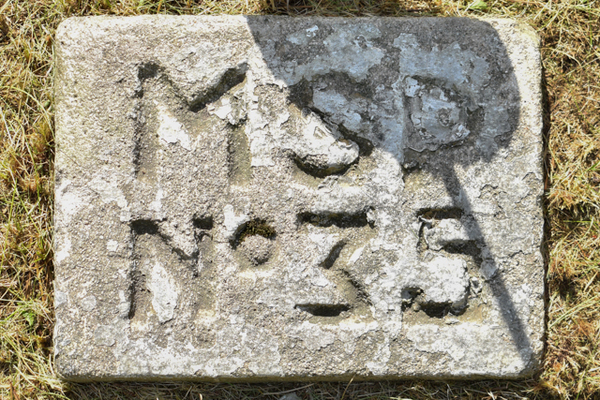
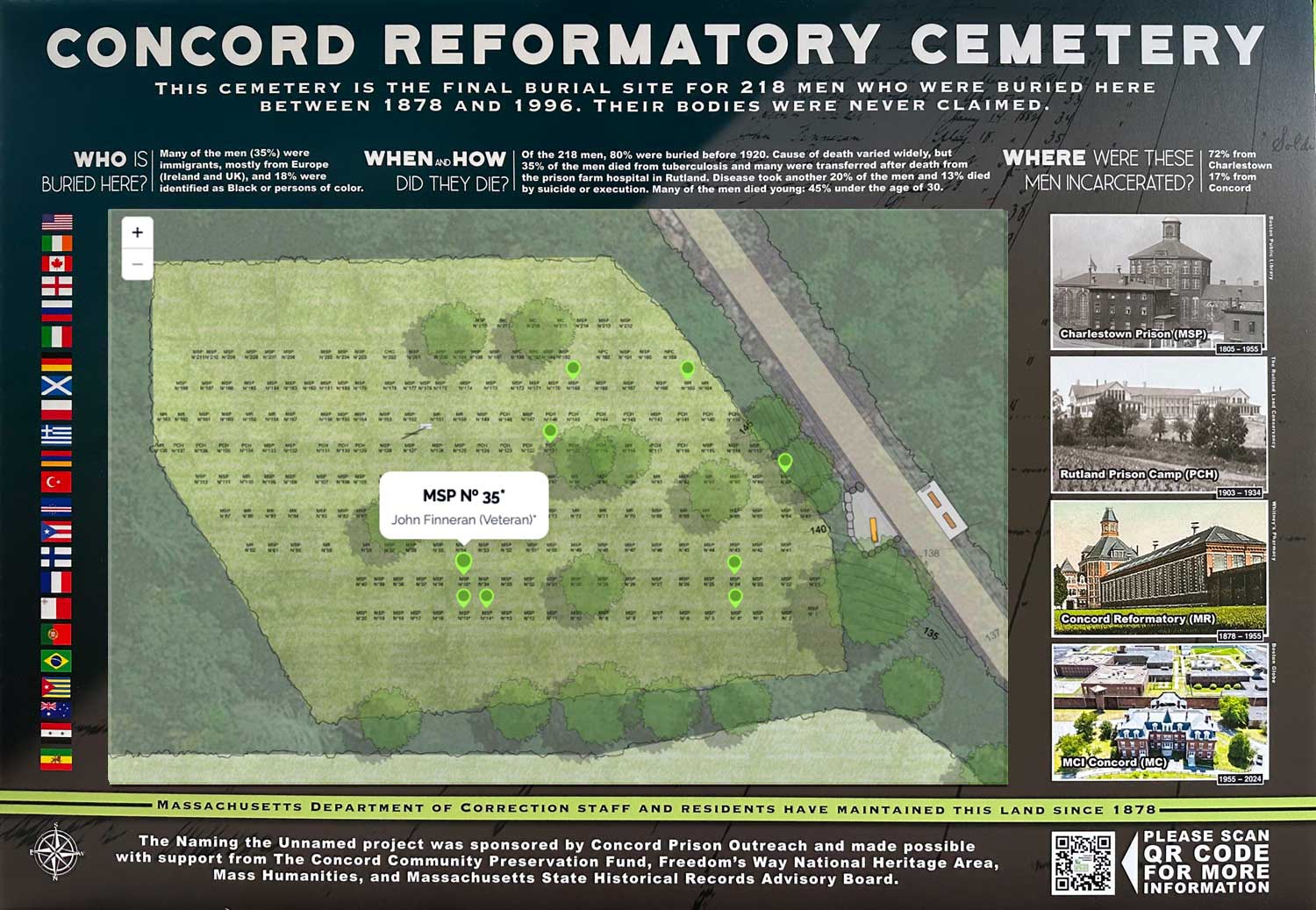
PLOT 35 (MSP) ☆ JOHN FINNERAN • 1837-1882
7th Massachusetts Infantry Regiment, Company B
John Finneran, also known as John Burke, was born in 1837 in Stockport, either in England or Ireland. Mr. Finneran worked as a laborer after arriving in the United States. While working as a cotton spinner, 23-year-old Mr. Finneran enlisted in the United States military on June 15, 1861, in Fall River.
Military Service in the 7th Massachusetts Infantry Regiment, Company B
The 7th Massachusetts consisted almost entirely of men from Bristol County, Massachusetts. They trained in Taunton, Massachusetts, and mustered into service on June 15, 1861, John Finneran among them. For nine months, they worked with other regiments to construct Fort Stevens.
In March of 1862, the 7th Massachusetts Infantry was assigned to the Army of the Potomac and advanced on the Confederate capital of Richmond via the Virginia Peninsula. They fought the Peninsular Campaign, which was a series of battles, and they ultimately retreated after a series of Confederate victories, including the Seven Days’ Battles.
The Civil War was difficult. Battles were marked by confusion; it was difficult to see most of the time, due to the smoke from rifles, and often armies would charge right into one another. Infectious disease was by far the leading cause of death during the Civil War. Diarrhea, dysentery, malaria, and chickenpox were among the most common diseases of the Civil War, which were caused by close, poor living conditions, a lack of sufficient nutrition, and constant troop movement with inadequate rest.
After the failure of the Peninsular Campaign, the 7th Massachusetts withdrew with the rest of the Army of the Potomac to Fortress Monroe.
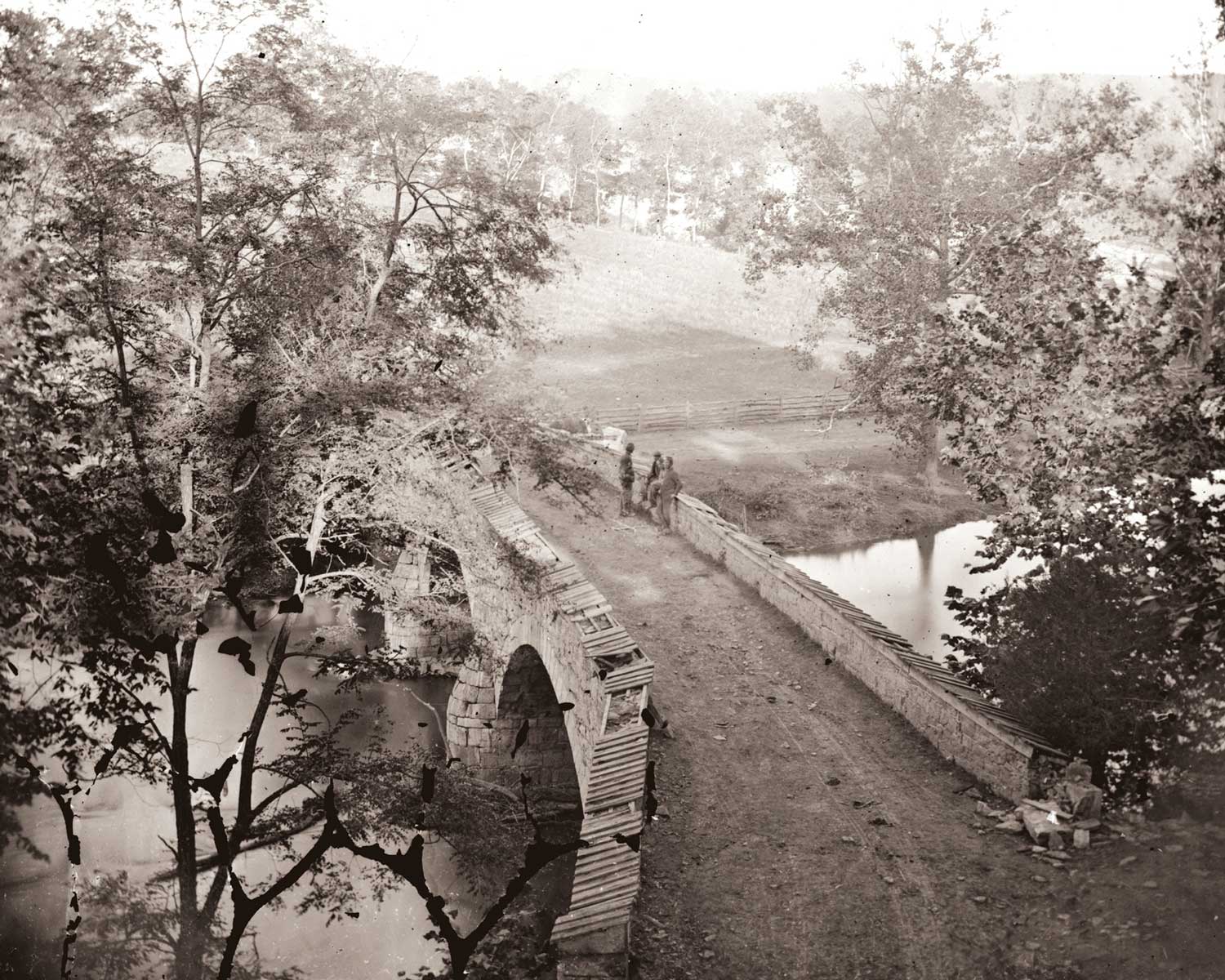
On August 31, they were shipped to northern Virginia. John Finneran deserted 5 days later at Chain Bridge on September 5, 1862. He was arrested the next year.
He was incarcerated in the Massachusetts State Prison in 1870. He remained there for 11 and a half years until his death from syphilis on May 18, 1882, at age 44.

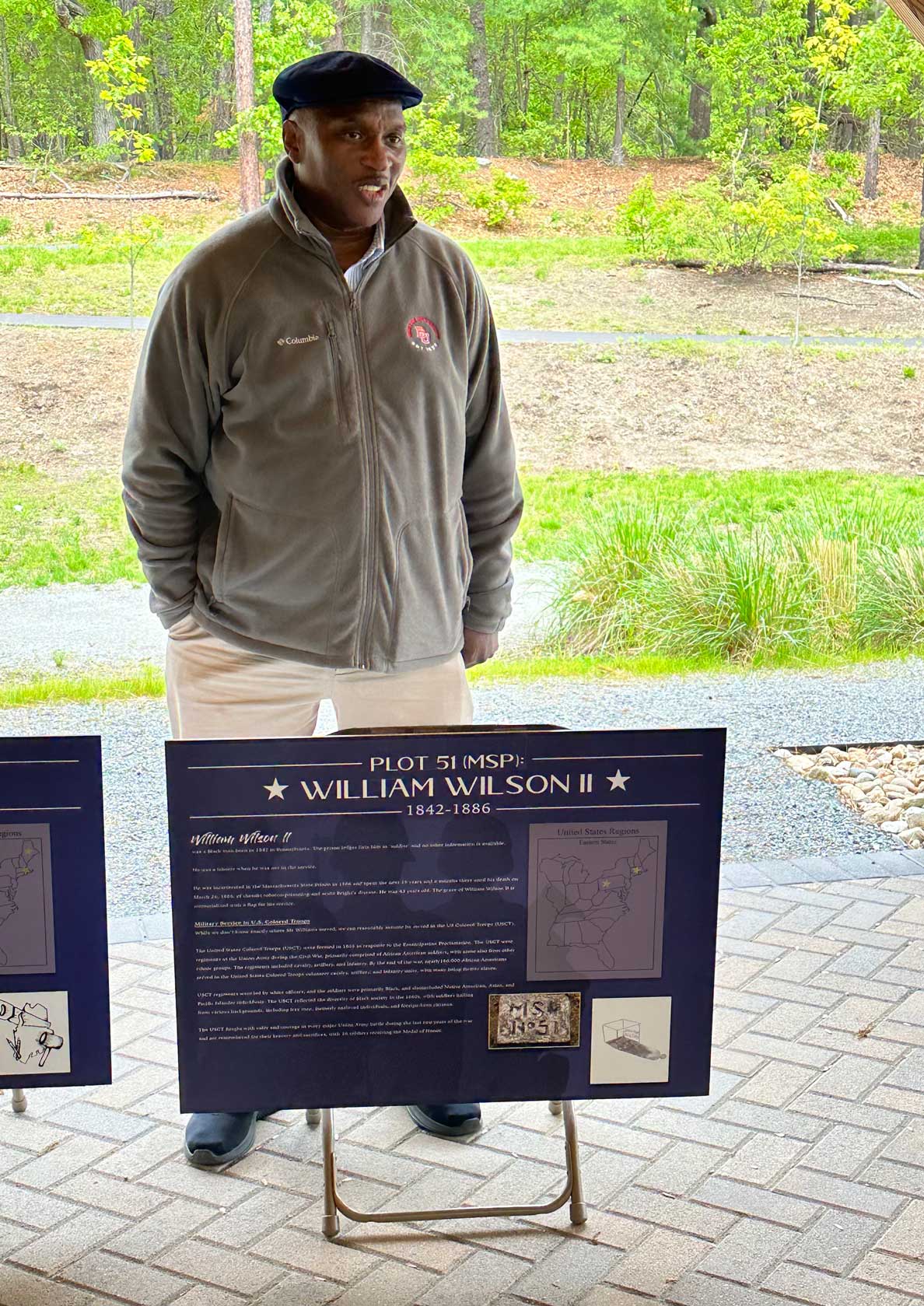
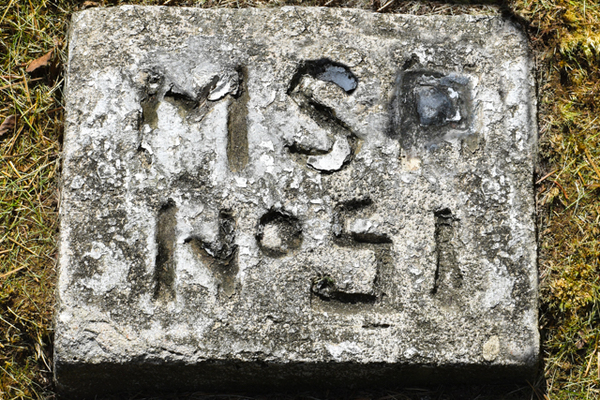
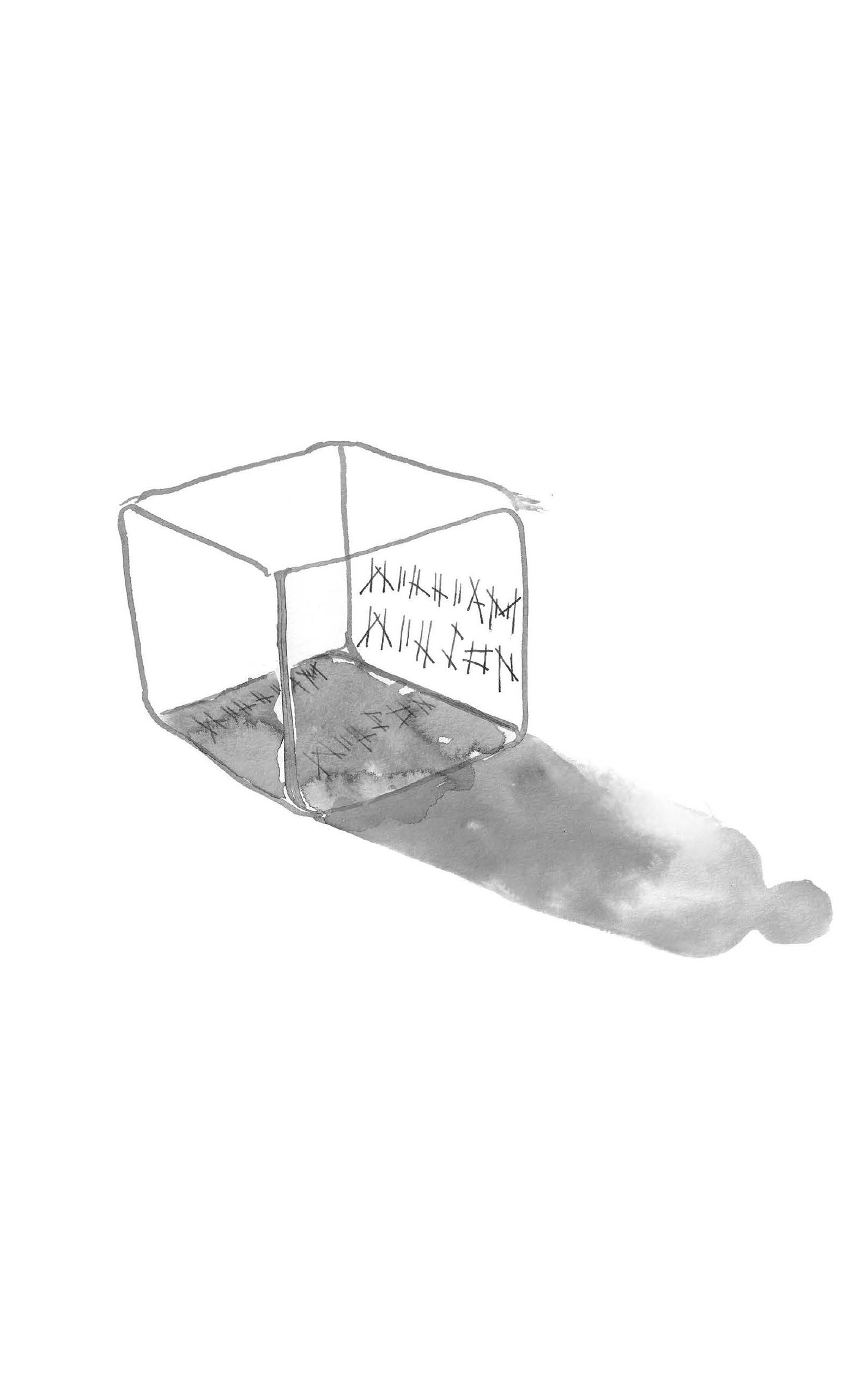
PLOT 51 (MSP) ☆ WILLIAM WILSON II • 1842-1886
Served in U.S. Colored Troops
William Wilson II was a Black man born in 1842 in Manayunk, Pennsylvania. The prison ledger lists him as ‘soldier’., no other information is available.
He was incarcerated in the Massachusetts State Prison in 1866 and spent 19 years, 8 months there until his death on March 26, 1886, of chronic tobacco-poisoning and acute Bright’s disease. He was 43 years old. The grave of William Wilson II is memorialized with a flag for his service.
Military Service in U.S. Colored Troops
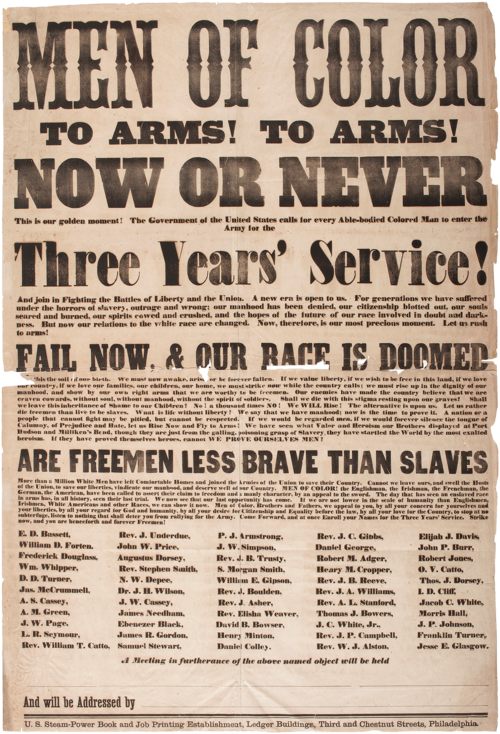
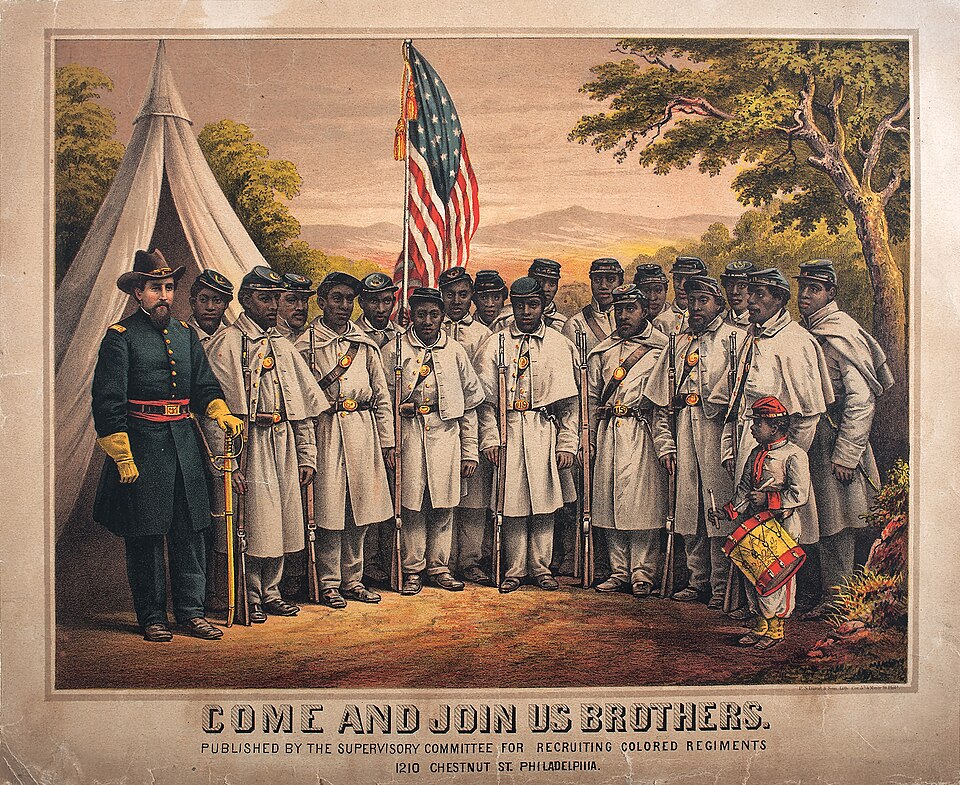
The United States Army began to organize African Americans into regimental units known as the United States Colored Troops (USCT) in 1863. (War Department General Order 143)
The United States Colored Troops (USCT) were formed in 1863 in response to the Emancipation Proclamation. The USCT were regiments of the Union Army during the Civil War, primarily comprised of African American soldiers, with some also from other ethnic groups. The regiments included cavalry, artillery, and infantry units, with many being former slaves.
USCT regiments were led by white officers, and the soldiers were primarily Black, and also included Native American, Asian, and Pacific Islander individuals.
The USCT reflected the diversity of Black society in the 1860s, with soldiers hailing from various backgrounds, including free men, formerly enslaved individuals, and foreign-born citizens.
The USCT fought with valor and courage in every major Union Army battle during the last two years of the war and are remembered for their bravery and sacrifice, with 16 soldiers receiving the Medal of Honor.
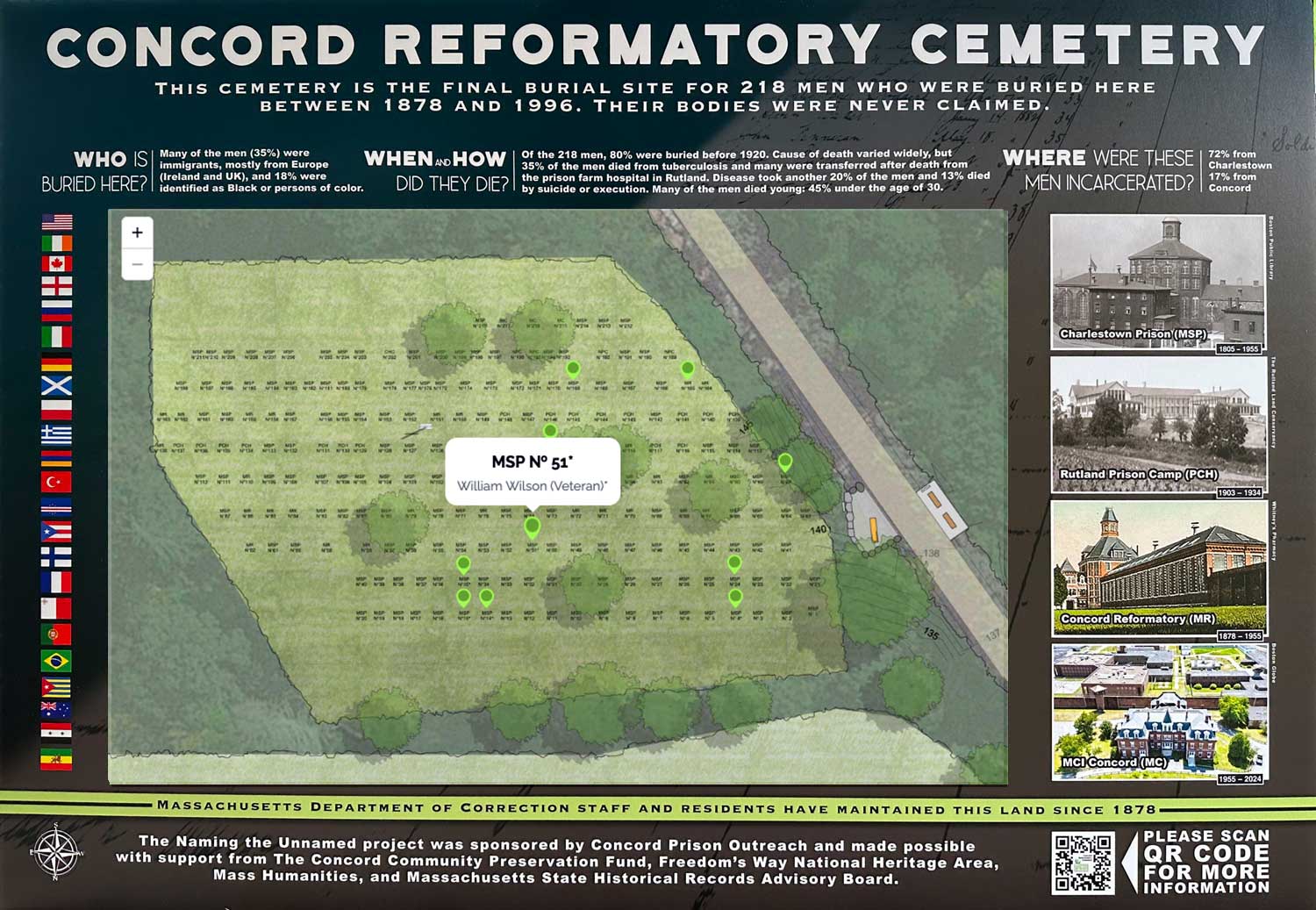
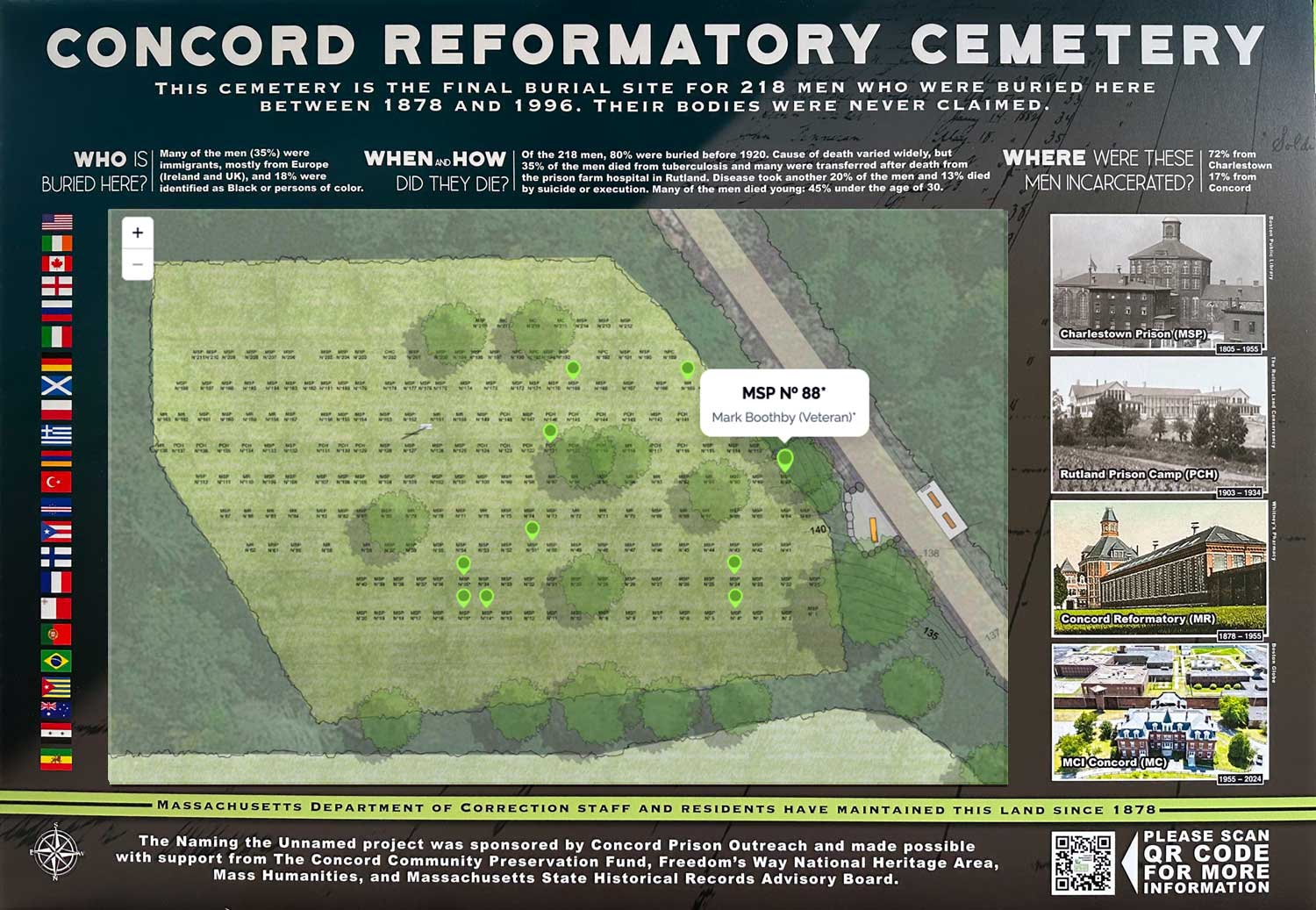
PLOT 88 (MSP) ☆ MARK BOOTHBY • 1836-1898
Served in the Union Navy
Mark Boothby was born on January 15, 1836, in Palmyra, Maine, to Alexander and Johanna Boothby. By 1856, at the age of 20, Mr. Boothby had moved to Medford, Massachusetts, where he worked as a carpenter. That same year, on October 25, 1856, he married 19-year-old Ana Fleming.
Military Service in the Union Navy
With the start of the Civil War, Boothby enlisted in the Union Navy on May 18, 1861, in New Bedford, Massachusetts. At the time of his enlistment, he was described as 5’6½” tall, with a light complexion, brown hair, and blue eyes.
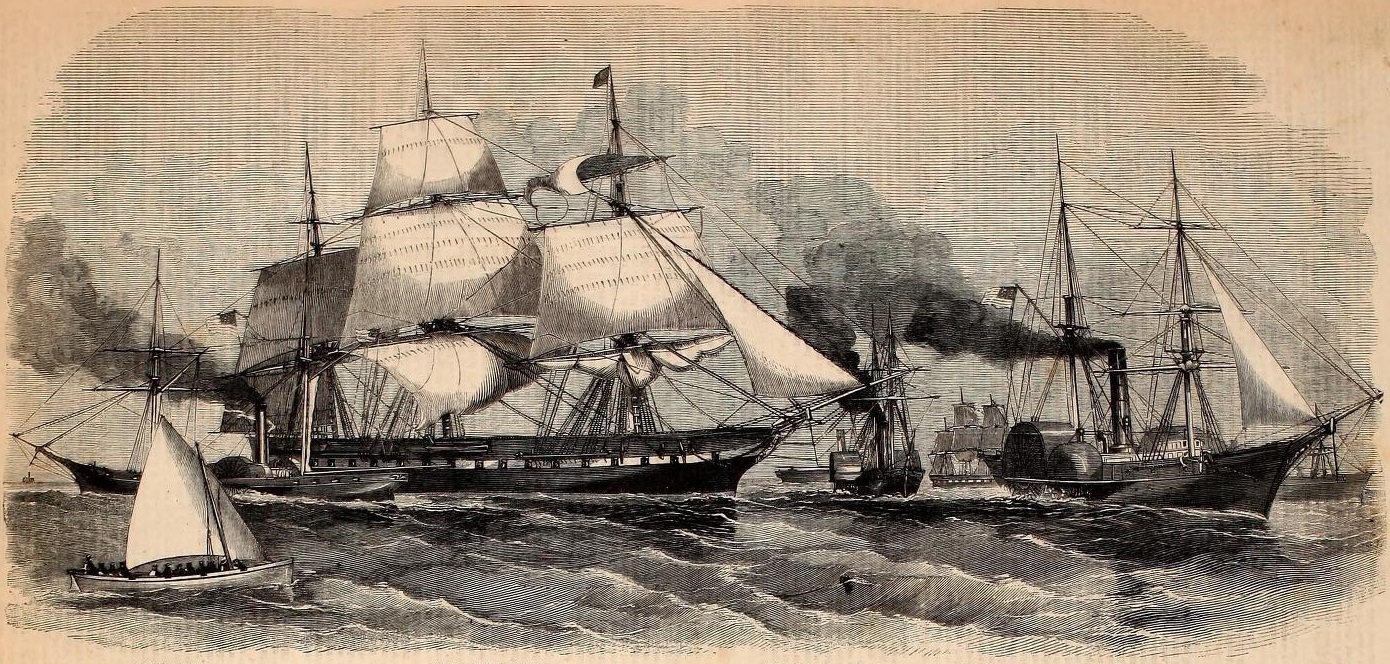
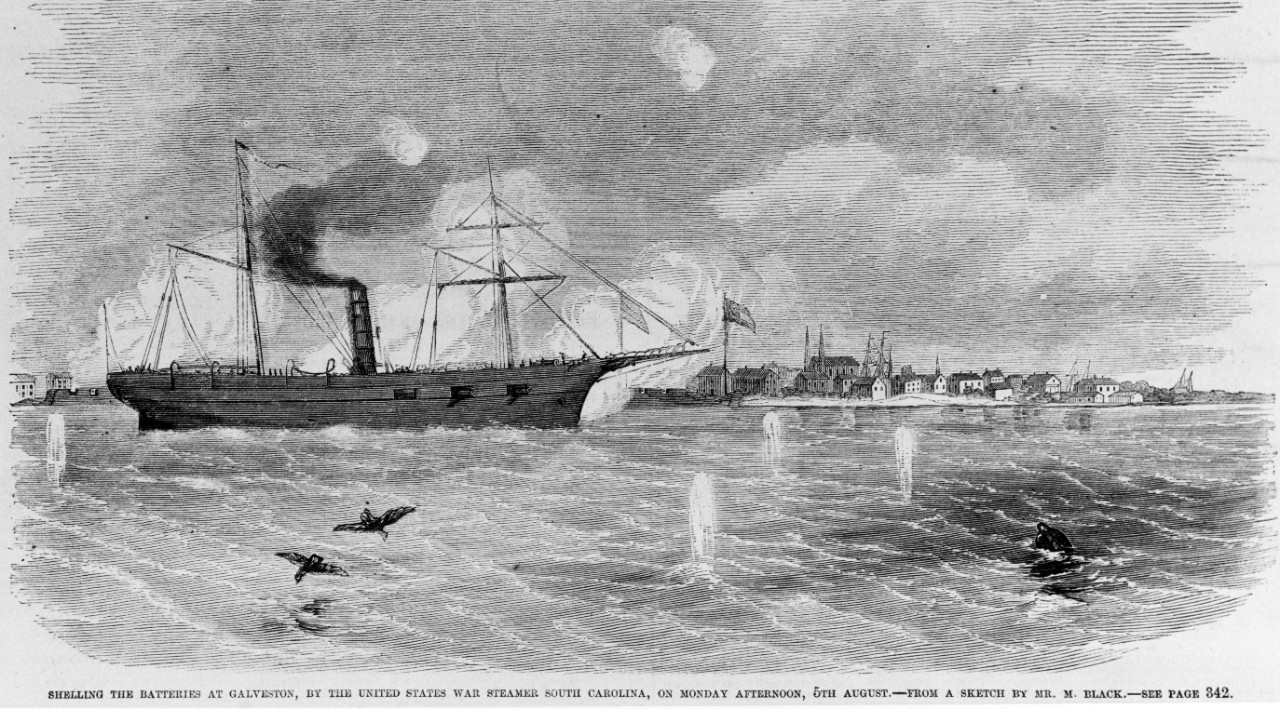
He was assigned to the USS South Carolina, a steamer just commissioned at the Boston Navy Yard. The steamer transported ordnance and ammunition to Florida, and then joined the Gulf Blockading Squadron to enforce the blockade of Confederate ports. This naval unit was one of the first created by the Union to restrict Confederate trade and military supply lines. Mr. Boothby then transferred to the USS Niagara in Fort Pickens, Florida.
Ultimately, Mr. Boothby’s service in the Union Navy was brief. After approximately two months, he deserted while stationed at Fort Pickens, Florida. Desertions were not uncommon, as military service was grueling, with harsh conditions, disease, and long periods of isolation, especially for those at sea.
After deserting, Mr. Boothby eventually returned to Massachusetts, where he resumed civilian life. On December 4, 1872, he remarried Sarah Walsh Wilkinson.
In 1897, at the age of 61, he was incarcerated in the Massachusetts State Prison, where he spent the final year of his life.
On May 10, 1898, Mark Boothby died at the age of 62, with cerebral congestion listed as the cause of death.
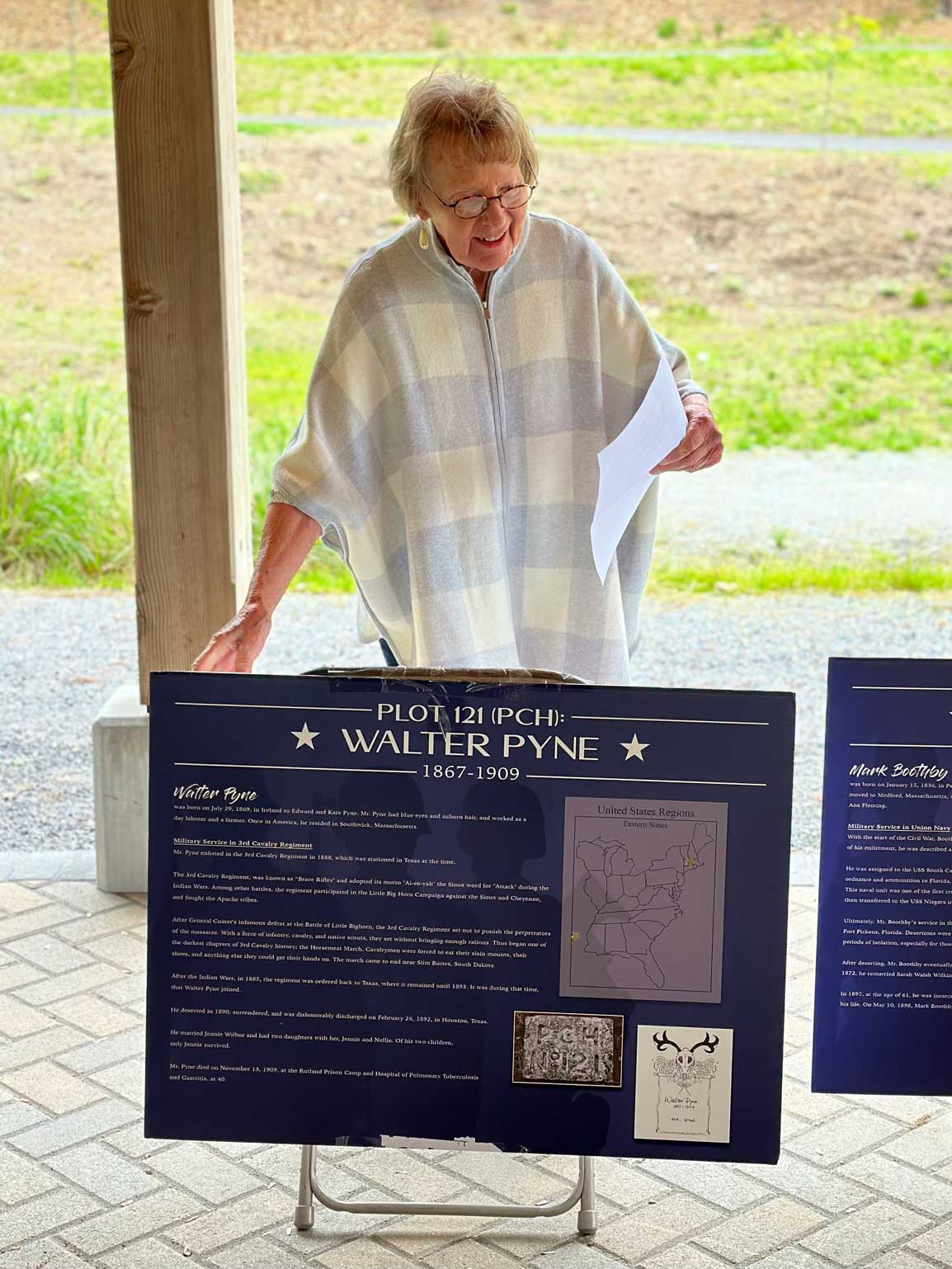
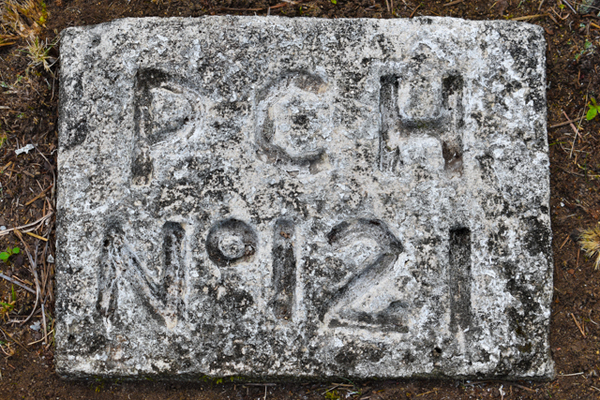
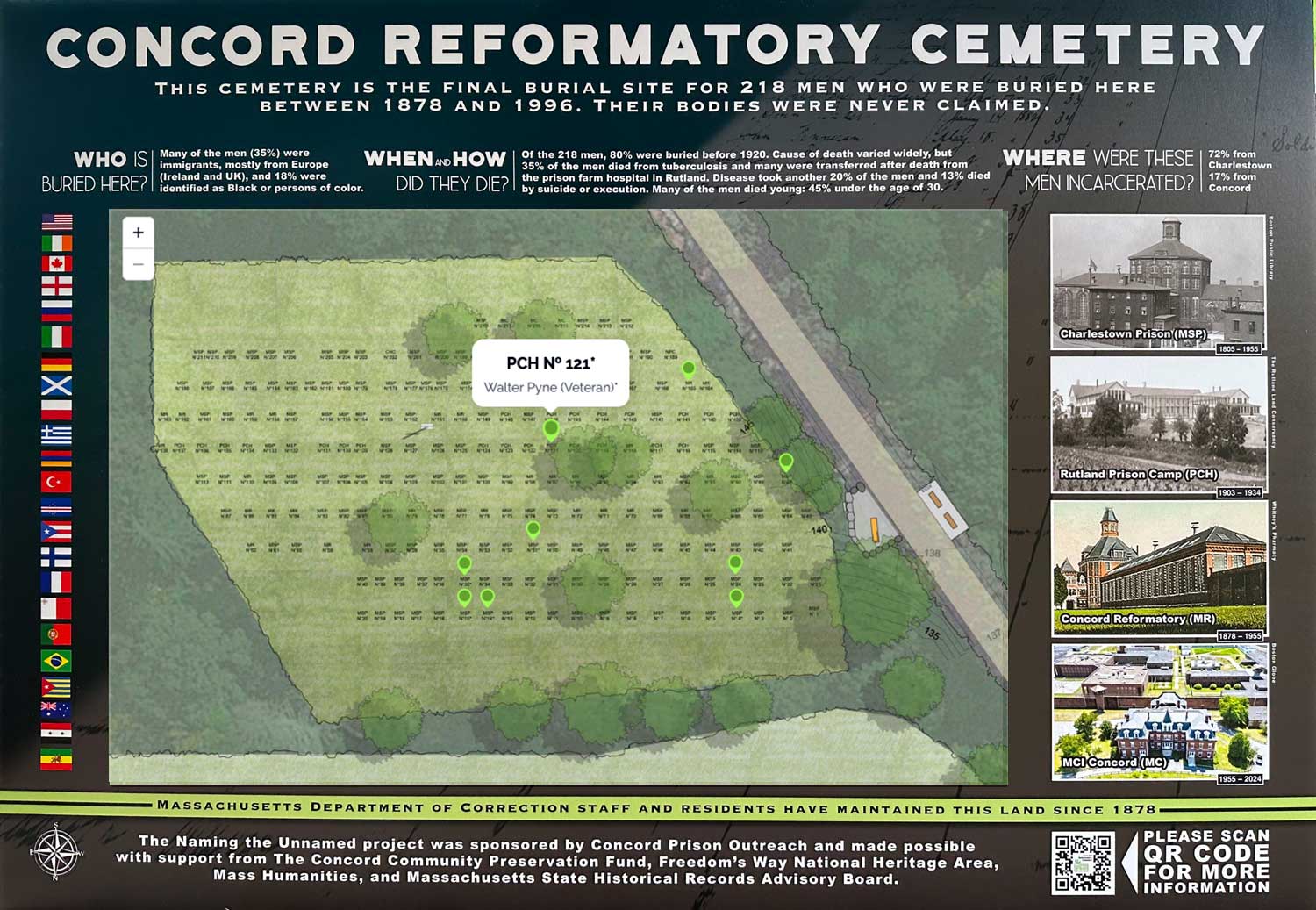
PLOT 121 (PHC) ☆ WALTER PYNE • 1867-1909
3rd Cavalry Regiment
Walter Pyne was born on July 29, 1869, in Ireland to Edward and Kate Pyne. Mr. Pyne had blue eyes and auburn hair and worked as a day laborer and a farmer. Once in America, he resided in Southwick, Massachusetts.
Military Service in the 3rd Cavalry Regiment
The 3rd Cavalry Regiment was known as “Brave Rifles” and adopted its motto, “Ai-ee-ya” the Sioux word for “Attack” during the Indian Wars. Among other battles, the regiment participated in the Little Bighorn Campaign against Sioux and Cheyenne and fought the Apache tribes.
After General Custer’s infamous defeat at the Battle of the Little Bighorn, the 3rd Cavalry Regiment set out to punish the perpetrators of the massacre. With a force of infantry, cavalry, and native scouts, they set out without bringing enough rations. Thus began one of the darkest chapters of the 3rd Cavalry’s history: the Horsemen March. Cavalrymen were forced to eat their slain mounts, their shoes, and anything else they could get their hands on. The march came to an end near Slim Buttes, South Dakota.
Mr. Payne deserted in 1890, surrendered, and was dishonorably discharged on February 26th, 1892, in Houston, Texas.
He married Jennie Wilbur and had two daughters with her, Jennie and Nellie. Of his two children, only Jennie survived.
Mr Pyne died on November 13, 1909, at the Rutland Camp and Hospital of Pulmonary Tuberculosis and Gastritis, at 40.

PLOT 165 (MR) ☆ JAMES HERRING • 1889-1918
U.S. Coast Artillery Corps
James Herring, born John Herring, was born on August 23, 1889, in Dry Branch, Georgia to John Herring and Ellen Henderson.
Military Service in the U.S. Coast Artillery Corps.
He lived in Providence, Rhode Island. Mr. Herring and his wife, Elsie Tallman, had two children and lived in New Bedford, Massachusetts. He was 5’9 ½ , had red hair, blue eyes, multiple tattoos, and was a Protestant.
Mr. Herring registered for the service for World War I, though no record of his service exists. On his registration card, he reported that he served for six years as a private in the U.S. Coast Artillery Corps.
By the beginning of World War I, the United States had a coastal defense system through the U.S. Coast Artillery Corps that was equal to any other nation. As with the rest of the US Armed Forces, the Coast Artillery was undermanned and poorly equipped except for coastal artillery weapons when war broke out in Europe in 1914. After the Americans’ entry into World War I, the Coast Artillery as a whole was brought up to strength with 71 new companies.
Mr. Herring was incarcerated in the Massachusetts Reformatory on January 4, 1917. In early 1918, he contracted lobar pneumonia from an influenza infection.
He died on October 13, 1918, at age 29. According to his Massachusetts Reformatory ledger, he was buried at the Concord Reformatory Cemetery, “as the wife, who was notified [of his death], could not take the body.
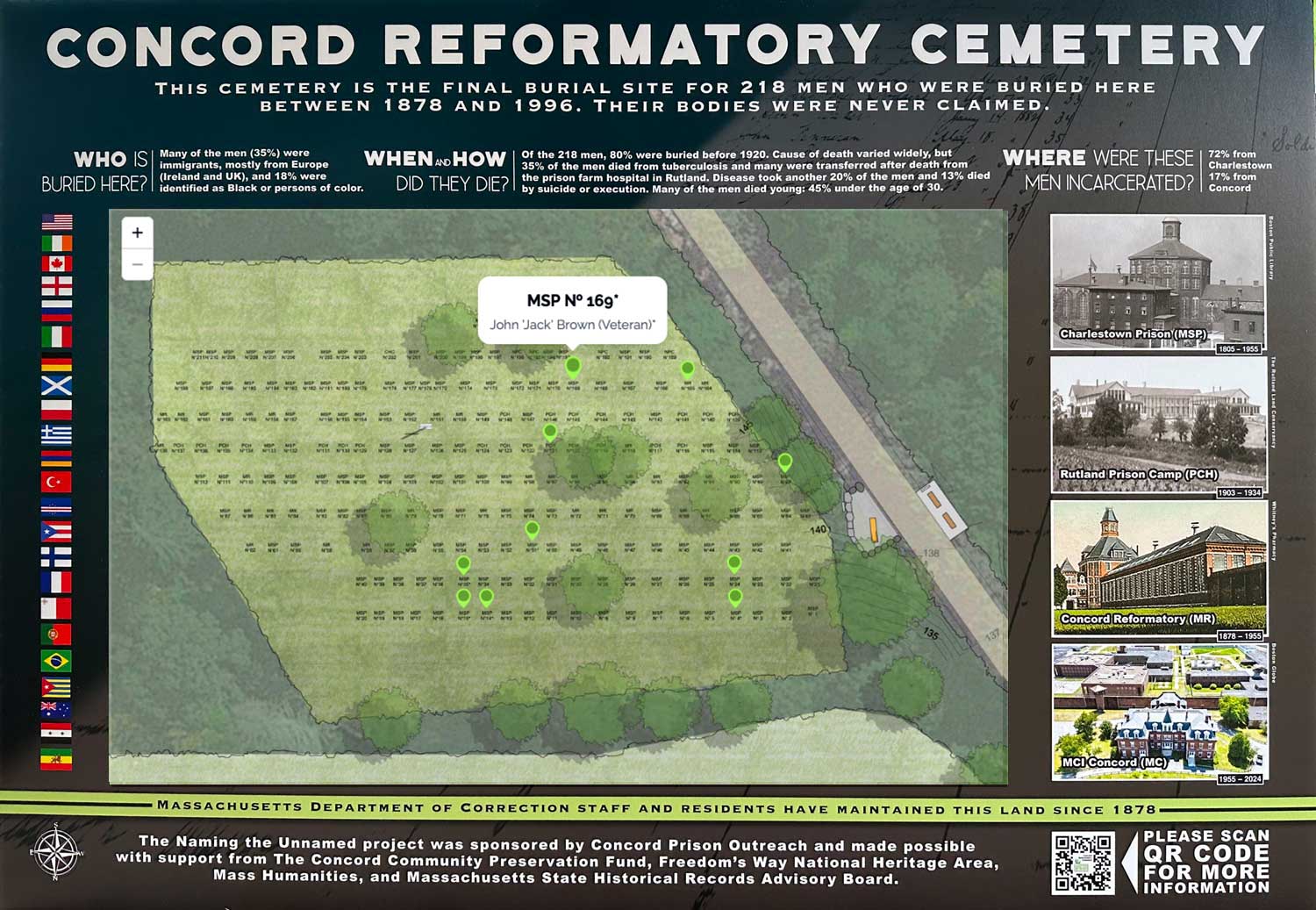
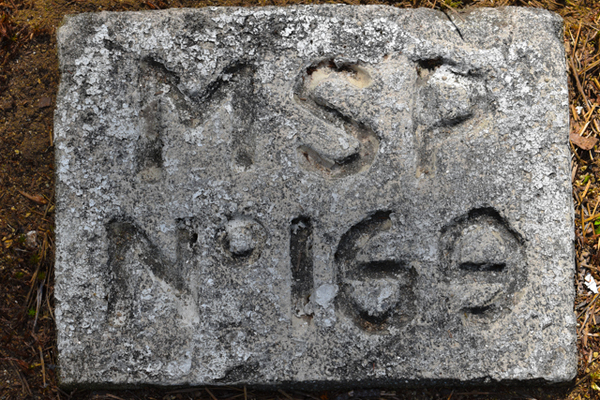
PLOT 169 (MR) ☆ JOHN BROWN • 1894-1918
U.S. Coast Artillery Corps
John ‘Jack’ Brown was born on April 12, 1894, in Sydney, Australia. He later immigrated to the United States and became a naturalized citizen.
Military Service in the U.S. Coast Artillery Corps
Mr. Brown registered for the service for World War I, though no record of his service exists. On his registration card, he reported that he served for 2½ years as a private in the U.S. Coast Artillery Corps., which was an administrative corps responsible for coastal, harbor, and anti-aircraft defense of the United States and its possessions between 1901 and 1950.
The U.S. Army Coast Artillery Corps (CAC) started in 1901, and they took responsibility for the installation and operation of the controlled mine fields and torpedoes from the Corps of Engineers.
Over the years up to World War I, the Coast Artillery was designed to provide the personnel for all US-manned heavy artillery, almost all railway artillery, and later anti-aircraft artillery units.
After his service, he worked as a shoemaker.
Mr. Brown was incarcerated in the Massachusetts State Prison on June 24, 1916. He died of influenza and pneumonia at 6:30 p.m. on October 7, 1918, during the influenza pandemic.